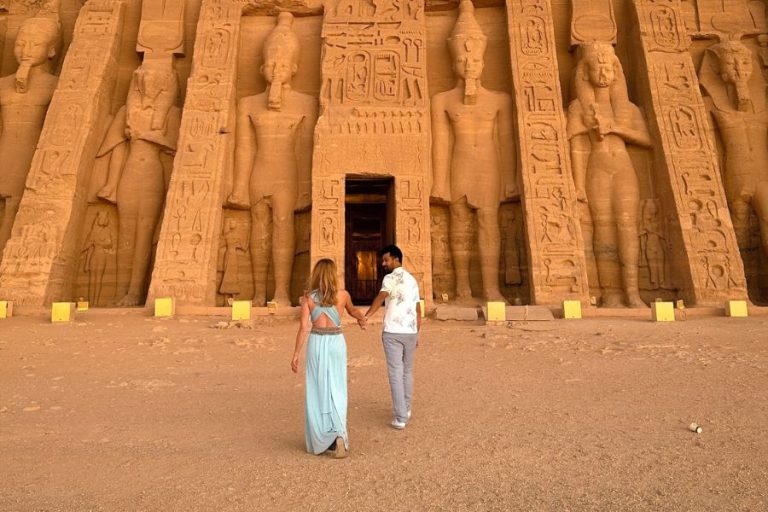
Things to do in Siwa Oasis
Tucked deep in Egypt’s Western Desert, Siwa Oasis is one of the country’s most rewarding hidden gems. A place that still feels untouched and completely different from anywhere else in Egypt.
If you’ve been searching for the best things to do in Siwa Oasis, this guide brings together all the highlights: the surreal salt lakes, ancient mud-brick fortresses, sunset safaris, and peaceful desert springs that make this oasis so unique.
We visited Siwa as part of our 11-day trip to Egypt, and what we found was a destination full of quiet wonder. Floating in turquoise salt lakes, climbing the crumbling Shali Fortress, sipping local juice at Cleopatra’s Spring – every experience felt genuine, simple, and refreshingly real.
Here’s our complete guide to the top things to do in Siwa Oasis, how to get there, when to visit, and a few practical tips to make your trip smoother.
Why Siwa Feels Like Another Planet
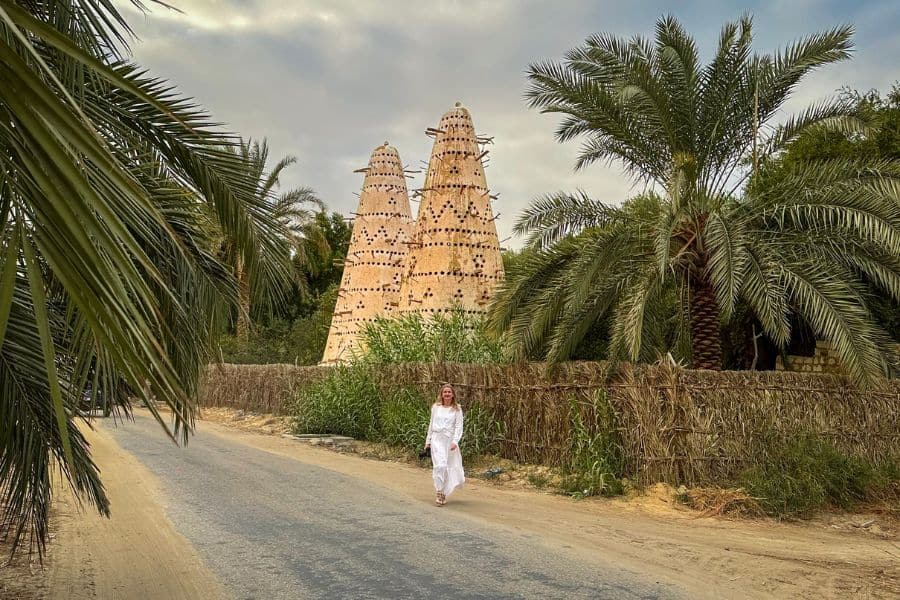
Siwa sits in the far west of Egypt, close to the Libyan border, surrounded by the Sahara Desert and salt flats. The isolation is real. Once you leave the main highway, there’s nothing but desert for over 3 hours. There are no towns, no fuel stations, no phone signal for long stretches. And then suddenly, the oasis appears.
Life moves more slowly here in a way. Palm trees grow in thick clusters, and between them are natural springs, small villages, and ancient ruins made from a mix of salt and mud called kershef.
What surprised us most was how authentic it all felt. Nothing about Siwa seems staged for tourists, well, apart from a few souvenir shops. But the forts crumble, the roads are rough, and that’s exactly the charm and beauty.
How to Get to Siwa Oasis
Reaching Siwa is part of the adventure. There’s no airport, no train, and no quick shortcut through the desert. The journey is long but totally worth it.
How far is Siwa Oasis
The drive from Cairo takes around nine to ten hours, crossing long, open stretches of sand and occasional army checkpoints. It sounds daunting, but it can be surprisingly smooth if you plan it right.
We chose to travel overnight with a private driver (as part of our whole Egypt package), and honestly, that was the best decision we made. We left Cairo around midnight, reclined our seats, and slept until sunrise. At least Justin did, as Karo struggles to sleep at night when travelling.
Ways to reach Siwa Oasis
- Private driver — this is what we did, and we highly recommend it if you want flexibility. It is also the most comfortable option, as you can request a minibus or a car with reclining seats so you can sleep comfortably. Most local travel agencies can arrange this, so shop around and compare prices, as we found they can vary widely. This is the most expensive option.
- Public bus – Cheapest, but not the most comfortable way to get there. We haven’t travelled on the bus ourselves, but spoke to a few people in Siwa who came on the bus, and they said it was very basic and not comfortable. You can book your ticket here.
- Shared transfers or small-group tours – This is a middle option that offers a good balance for those who don’t want to travel on a bus and want more comfort and a better experience.
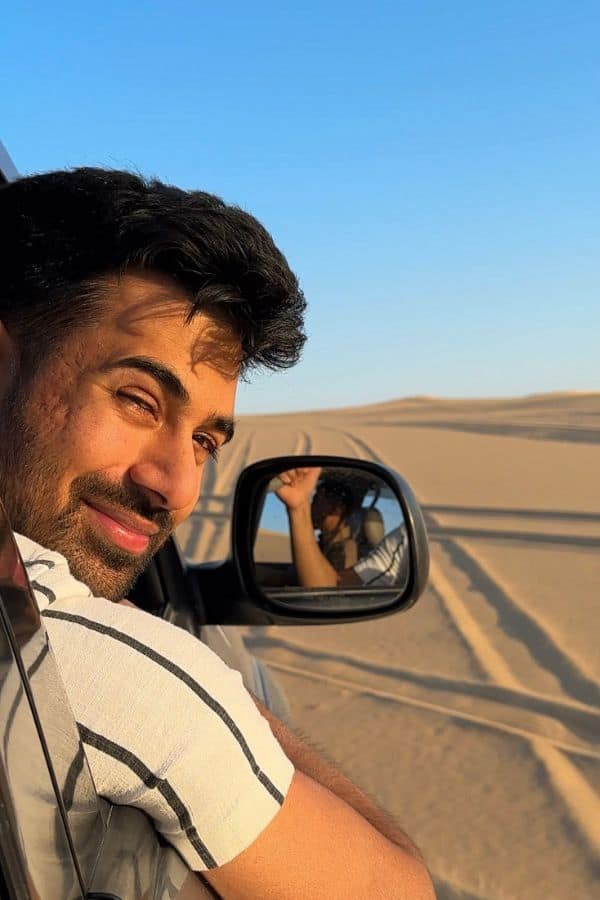
Tip – Keep your passport handy, as you’ll go through multiple Egyptian army checkpoints along the route. It’s a normal security procedure. You just need to show your passport, smile, and you’ll be waved through.
Arriving in Egypt and Getting Started
Getting into Egypt was straightforward. We bought our visa on arrival in Cairo for $25 at a small kiosk before passport control. There were no queues, just a quick form to hand over with the sticker.
When we got to arrivals, we exchanged some cash at the airport bank counters (the rate is the same everywhere). It’s much harder to change money once you leave Cairo, so do it here, especially if you’re heading to Siwa straight away (like we did).
Outside baggage claim, you’ll see SIM card stands for Vodafone, Orange, and Etisalat. Prices are fair, and coverage in Siwa is patchy but decent enough for maps and messages.
Top Tips
- Travel overnight. It saves time and lets you start your Siwa adventure rested and ready.
- Pack light snacks and water. Service stations are spaced out and a bit pricey.
Don’t drive yourself. Between Cairo’s chaos and desert isolation, this is one part of Egypt best left to professionals.
Best Time to Visit Siwa Oasis
Siwa sits deep in Egypt’s Western Desert, and that means one thing: extremes. Hot, dry summers and cool, breezy winters. Getting the timing right makes all the difference between a relaxed trip and a “why did we do this to ourselves?” kind of day.
The Ideal Months
The best time to visit Siwa is October through April.
Days are warm but not scorching, evenings are pleasantly cool, and the desert breeze feels like a reward after a long drive.
If we had to choose, November and March are the sweet spots. The weather is sunny, calm, and comfortable for desert safaris or salt lake swims. During these months, you can walk around the fortress, explore tombs, and enjoy the dunes without feeling like you’re melting.
We visited at the end of November and had lovely weather, albeit a bit windy on our second day.
Summer in Siwa Oasis
From May to September, the heat can be punishing. Daytime highs reach over 40°C (104°F), and even locals slow down. Some hotels close temporarily, and many guides shift tours to sunrise or sunset hours.
If summer is your only option, plan for early mornings and late afternoons. Avoid hiking or long drives in midday sun, and drink more water than you think you need.
Winter in Siwa Oasis
Winter (December to February) brings cooler days and chilly nights. It’s still sunny most of the time, but evenings can dip below 10°C (50°F), especially in the open desert.
Make sure you bring a light jacket or fleece if you’re staying overnight in a camp in the desert. The dunes lose heat quickly, and it gets cold once the sun sets.
A Note on Desert Winds
Around March and April, Siwa can experience khamsin winds. Those are strong, warm gusts that stir up sand. They’re not dangerous, but can reduce visibility and make climbing dunes less fun. If you’re visiting during this season, bring sunglasses and a scarf to cover your face when needed. During this time, you might be limited on what things you can do in Siwa Oasis, so we recommend planning your visit for another time.
Our Take
We visited in cooler weather, and it couldn’t have been better. The days were bright, the air dry, and there was just enough warmth to float comfortably in the salt lakes. Evenings were peaceful and cool, but perfect for sitting outside with tea and watching the stars appear one by one.
One downside was the wind and clouds on our second day, affecting visibility. We didn’t get to experience the sunset properly, but it was perfect for exploring.
Things to Do in Siwa Oasis – activities
Siwa Oasis is small, but there’s a lot packed into its quiet corners. We honestly didn’t think there was so much to do and see here.
From floating in turquoise salt lakes to climbing ancient mud fortresses, and a desert safari, we really enjoyed our two days in this little hidden gem. Here are the experiences we loved most.
1. Float Effortlessly in the Salt Lakes
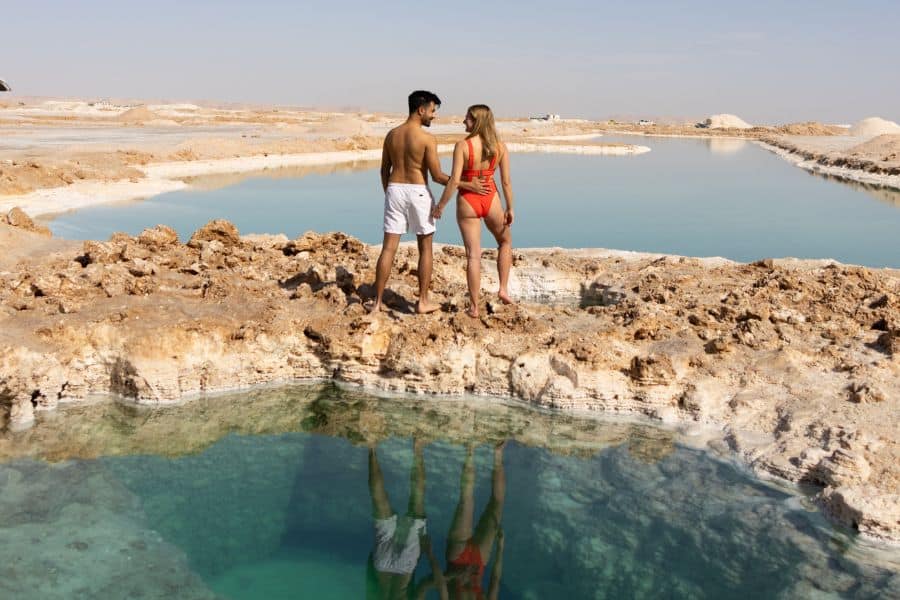
If you never floated in the Dead Sea in Jordan, you’re in for a really unique experience. Nothing prepares you for the first time you experience such a salty lake.
The water is crystal clear, bright turquoise, and so salty that floating happens automatically. You lean back, and then you’re weightless and floating effortlessly.
Just make sure you don’t jump into water or try to swim on your front. You risk getting salty water in your eyes, but what’s worse is getting it in your mouth and drinking it. Such a high salt saturation can actually be toxic.
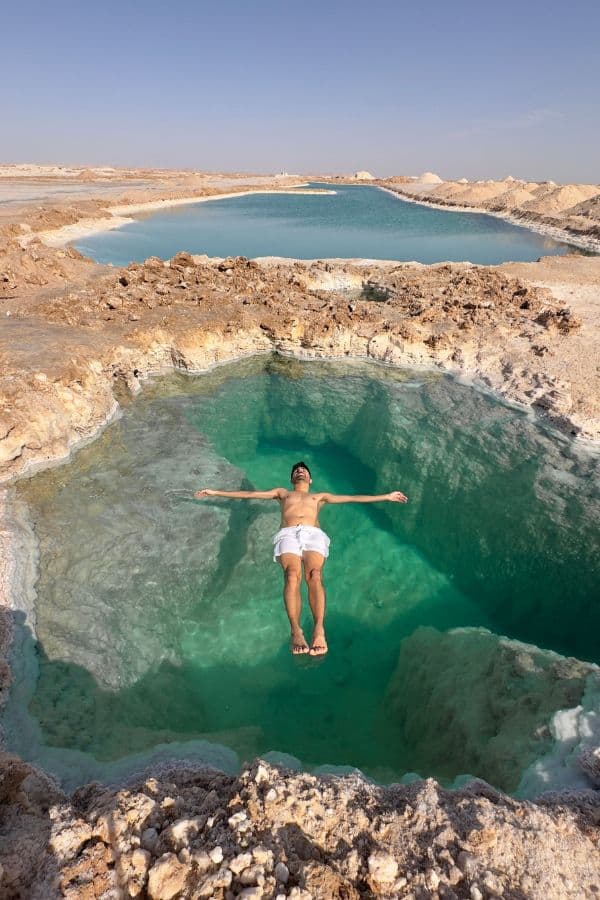
There are many salt pools scattered around the outskirts of town. Some are busy with big tour groups, others are quiet and tucked away. Ask your guide or driver to take you to the smaller ones; they’re calmer and often more picturesque.
Top tips:
Our experience: we found a peaceful group of pools at the far end of the salt flats, one large and two smaller. The water was calm and warm. Here are a few lessons learned floating in Jordan and Siwa:
- Don’t put your face in the water. Honestly, if it gets to your eyes, it burns instantly.
- Always walk in slowly and turn to float on your back straight away. Don’t try to swim on the tour front.
- Bring flip-flops or sliders. The salt crystals underfoot are very sharp.
- Carry fresh water to rinse your face and skin afterward. Even a few grains of dried salt on your clothes can sting for hours.
The floating itself is really unforgettable and slightly surreal. In Siwa, there’s nothing but pale earth and blue sky. It’s the kind of moment that makes the long drive worth it.
Things to note, so you won’t be surprised. The Salt Lakes in Siwa are not natural phenomena but man-made. They are located in an actual working salt mine with machines excavating salt and trucks driving around.
They are dug out and change location from time to time (especially the little ones), but your guide will know where to go. Opt for those farther from the machines for a nice, peaceful experience.
2. Visit Cleopatra’s Spring (But Know What to Expect)
Almost every guidebook lists Cleopatra’s Spring as a must-see, and you’ll hear stories about Queen Cleopatra bathing here. The reality? It’s a lively, local hangout rather than a quiet sanctuary that we envisaged from other articles.
We arrived late in the day, and it was packed. We mean families, scooters, and tourists all together in a quite small space.
Cafés spill out around the pool, with chairs and tables scattered everywhere. The pool itself is deep and inviting, but with so many people watching, it didn’t feel like a place to relax in swimsuits.
If you want to swim, come early in the morning before the cafés open and the crowds arrive. There are changing rooms and showers if you want to have a quick shower after.
Even if you skip the swim, stop here for the fresh Siwi juice. This is a local drink of blended banana, coffee, dates, and milk. It’s thick, sweet, and completely addictive. We each had two and still talk about it and recommend to anyone going there.
Would we go again? Yes, but next time, we’d come early for the peace, not the chaos.
3. Explore the Ancient Shali Fortress
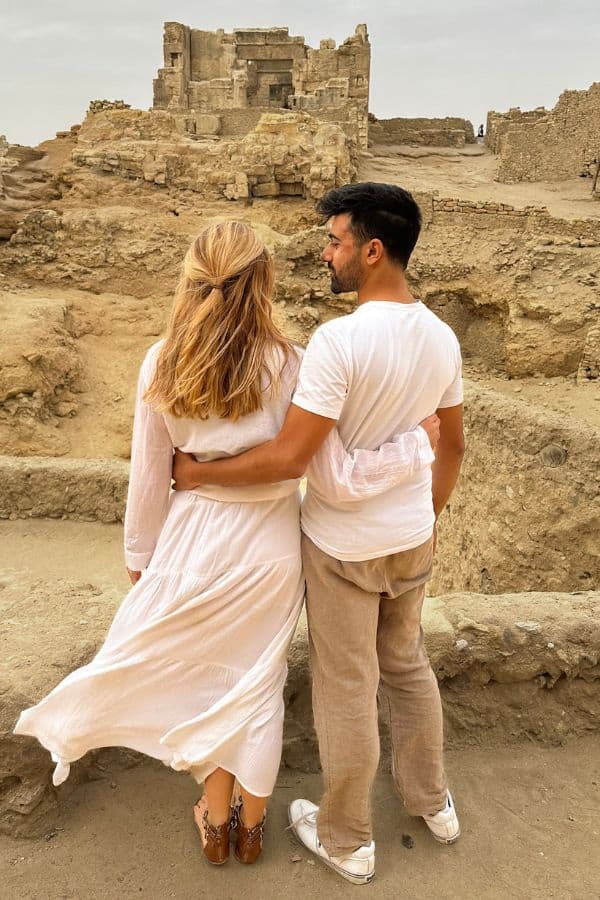
At the heart of Siwa stands the Shali Fortress, a maze of crumbling walls built entirely from kershef. It is a mixture of salt, clay, and mud that once made Siwa’s homes strong enough to withstand centuries of wind.
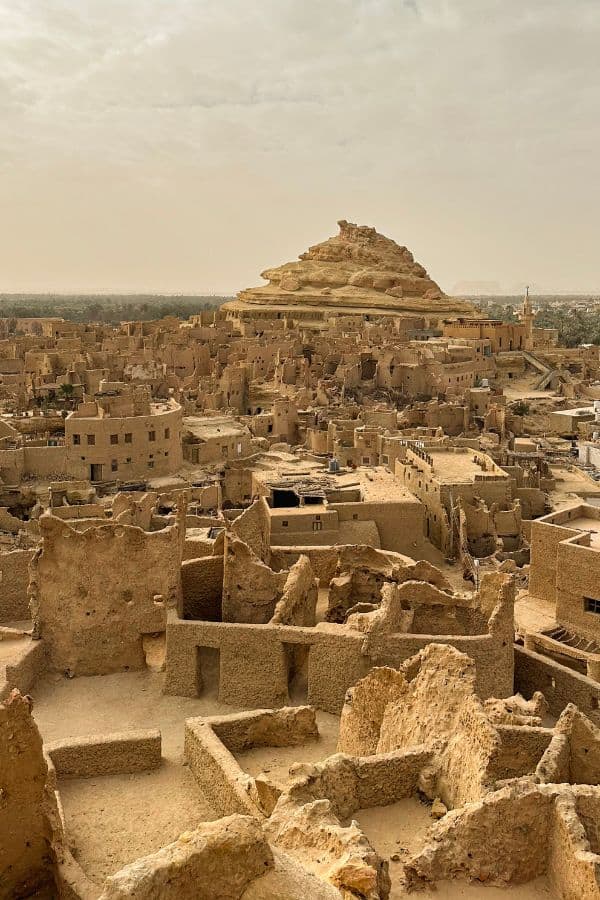
The fortress dates back to the 13th century and was abandoned after heavy rains in 1926 caused parts of it to collapse. What remains now is hauntingly beautiful: narrow alleys, melted-looking towers, and small lookout points that reveal sweeping views of the oasis.
Walking here feels like wandering through history. The walls glow orange at sunset, and from the top, you can see the palm groves, the Mountain of the Dead, and the distant dunes of the Sahara Desert.
It’s best to visit in the early morning or late afternoon for cooler air and golden light. Wear shoes with grip as the ground can be uneven. Most importantly, take your time. Siwa’s pace invites you to slow down, listen, and just be.
4. Climb Mount Dakrur for Panoramic Views
Mount Dakrur is where you go when you want to see the whole of Siwa Oasis spread out beneath you. It’s not a difficult climb, but it can be windy, especially in the mornings. We planned to go for sunrise, but strong gusts and flying sand had other ideas. Instead, we went later, after breakfast, and it was still worth it.
From halfway up, we could see everything: the fortress, the shimmering salt lakes, and a sea of palm trees stretching to the horizon. On clear days, the view must be incredible.
If you visit, bring water, sunglasses, and sturdy shoes. Go early or late in the day to avoid the harsh midday sun.
Mount Dakrur is also famous for its Siwi festivals, when locals gather to sing, dance, and celebrate with shared meals. If your timing lines up, it’s a wonderful window into local culture.
5. Go Sandboarding in the Great Sand Sea
If you only have one adventure in Siwa, make it the desert safari.
The Sahara Desert is absolutely immense, with golden dunes as far as the eye can see. Some of them are higher than buildings, others are as smooth as silk. Local drivers take you across them in 4x4s, and it’s pure fun: sliding down slopes, climbing ridges, and racing other cars across the horizon.
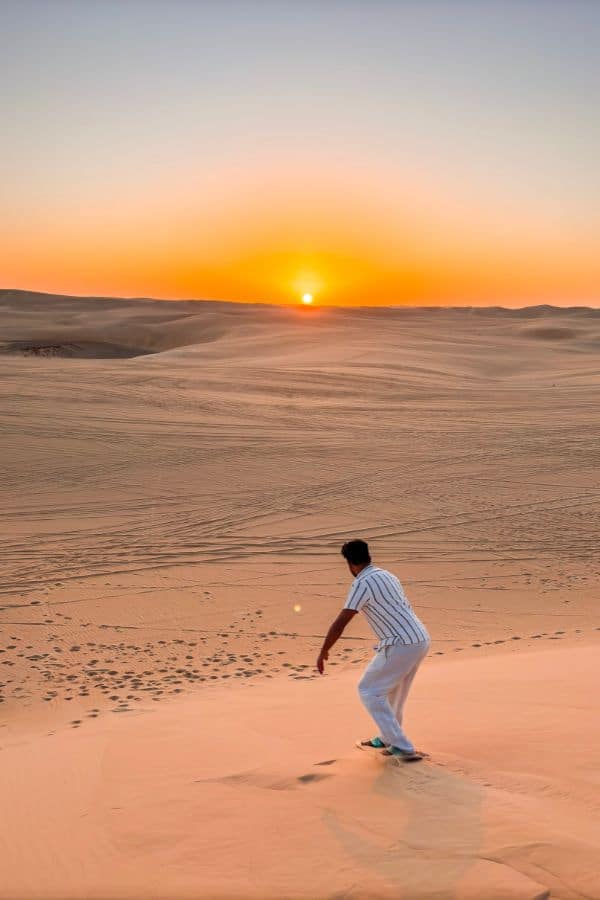
Our afternoon in the dunes was one of the best moments of the trip. Arabic music played from the car speakers, the driver laughed as he swerved up a dune, and everyone shouted “weee!” like kids on a rollercoaster.
We stopped halfway for sandboarding, sitting, standing, or belly-first, depending on how brave you feel. Justin, with his snowboarding skills, just casually went down like a pro. Karo, on the other hand, went with the sitting option. Later on, we sat down, sipped lemongrass tea, and watched as the sun slowly moved down behind the dunes.
By sunset, the sand turned gold, then deep orange, and the whole desert glowed. If you’ve never done a desert safari before, this is the perfect place to start.
We had a bit of an adventure on our way back: our driver got lost. It was literally shortly after we said to each other that we would get totally lost in the dark in this desert, and bam. That’s exactly what happened, but luckily he found his way quickly and we got back in time for dinner.
6. Watch Sunset on Fatnas Island
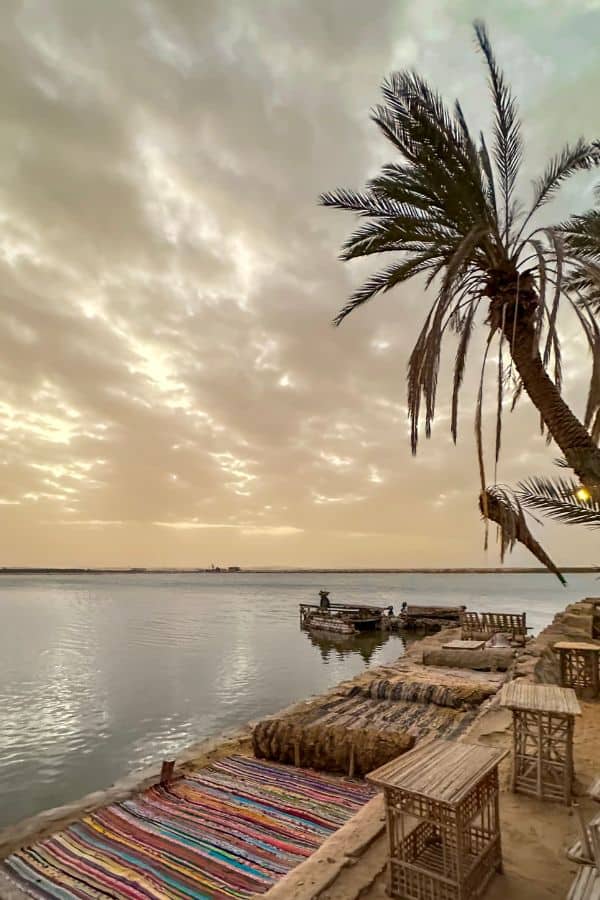
After all the excitement of exploring, a visit to Fatnas Island is the calm exhale at the end of the day. Set on the edge of a salt lake, surrounded by palm trees, it’s the best place in Siwa to watch the sunset.
There’s a small café where you can order fresh juice or mint tea, then sit on the wooden deck as the sun slides behind the dunes. However, on our visit, the sky was cloudy, so we didn’t get the chance to see the beautiful colours at the end of the day. Nonetheless, we can see how on a clear day, this place must be a perfect spot to finish the day.
Top tip – Bring mosquito repellent and stay until the first stars appear
7. Visit the House of Siwa Museum
Not everything in Siwa happens outdoors. Hidden among the palm groves, the House of Siwa Museum offers a quiet look at what life in the oasis has always been like.
It’s a small museum, but still worth a visit. Especially if you want to understand the people behind the landscapes.
Inside, you’ll find displays of traditional Siwan clothing, jewelry, tools, pottery, and even reconstructed rooms that show how families once lived in kershef houses.
It’s not a museum that overwhelms you. You can explore everything in under an hour, but it helps connect the dots between what you see in the streets and what Siwa has preserved for generations.
If you’re interested in local culture, visit early in the day when it’s quieter and the light filters softly through the salt-mud walls. It’s a calm break from the desert heat and a nice reminder that Siwa’s beauty isn’t just in its scenery but also in its people and their traditions.
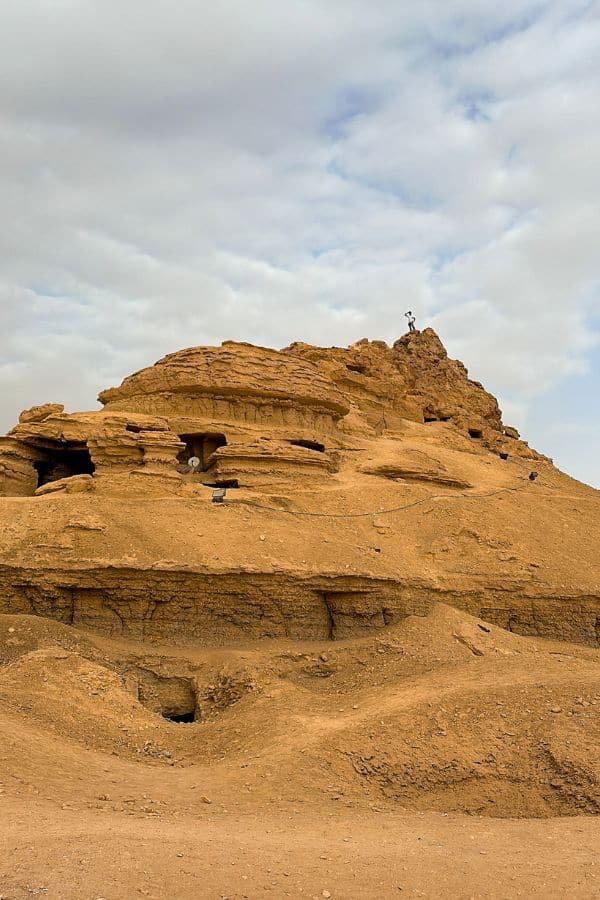
8. Discover the Mountain of the Dead
The Mountain of the Dead (Gebel al-Mawta) looks simple from afar. Just a rocky hill beyond town. But up close, it’s filled with history.
This ancient necropolis contains tombs carved into the stone, some still decorated with faint wall paintings and hieroglyphs. It was our first time seeing hieroglyphs, so our memories of Siwa are even more special.
The site is compact but fascinating, and the views from the top are some of the best in Siwa. We visited after exploring the Shali Fortress, and it made for a perfect pairing of ancient life and ancient rest, side by side.
Local guides can point out tombs worth seeing and share stories about the people who once lived here. Entry fees are small, and the atmosphere is peaceful, especially in the late afternoon. There was no one else around when we visited.
9. Visit the Temple of the Oracle (Temple of Amun)
For a small oasis, Siwa has a remarkable link to ancient Egypt. The Temple of the Oracle, also known as the Temple of Amun, dates back to the 6th century BCE and once drew pharaohs and travelers from across the region.
Legend says Alexander the Great visited this temple to consult the Oracle of Amun. That story gives the site an almost mythical status, and it felt a bit surreal to walk in the same place as him.
Today, only parts of the temple remain, perched on a hill near Aghurmi village, but walking among the ruins still feels special. It’s quiet here, rarely crowded, and worth the short climb for views and atmosphere alone.
Practical Tips for Visiting Siwa Oasis
Siwa might be small, but it’s a world of its own, and a little planning goes a long way. Here’s everything we wish we’d known before our trip: from where to stay and what to pack, to local etiquette that helps you feel at home right away.
Where to Stay in Siwa
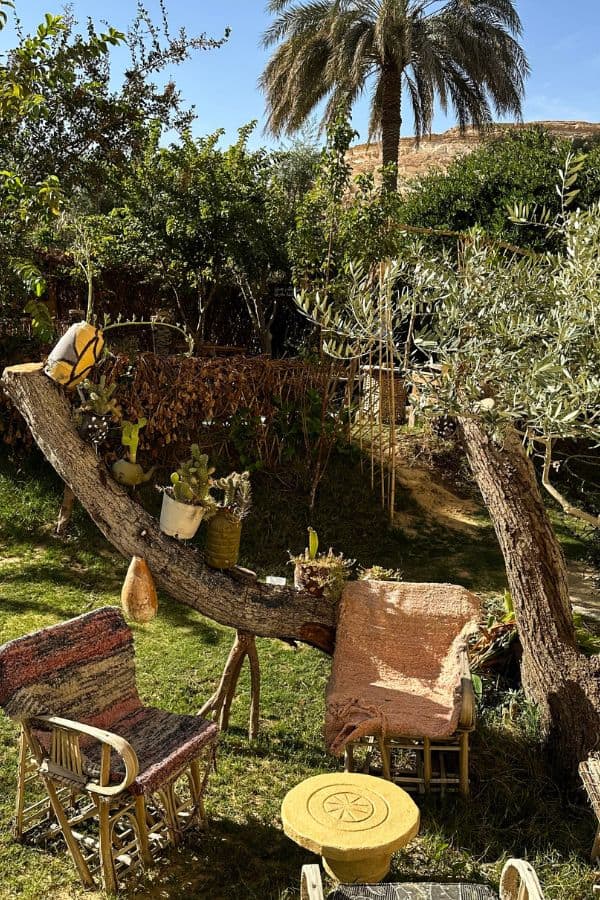
You’ll find two main types of places to stay in Siwa: guesthouses in town and eco-lodges in the desert.
Staying in town (near the Shali Fortress) means you can walk to cafés, shops, and small restaurants. It’s convenient if you like exploring on foot or hopping into a tuk-tuk for nearby sites. Rooms are basic but comfortable — think ceiling fans, tiled floors, and courtyards full of palm shade.
Here are a few recommendations for stays in Town
Guesthouses in Town
Asfay Lodge Siwa
Olive Garden House Siwa
Soléi Old Town
Albabenshal Lodge Siwa
Eco-lodges outside town are quieter and more atmospheric. Many are built from traditional kershef (mud and salt) and use candlelight instead of electricity. It feels magical at night — just you, the stars, and the sound of the desert wind.
Here are a few recommendations for Eco-Lodges
Money & Payments
Bring cash — ideally Egyptian pounds. There are only one or two ATMs in town, and they don’t always work. We exchanged money in Cairo before our drive, which made things much easier.
You can pay in dollars or euros at some hotels, but smaller cafés, taxis, and local guides almost always prefer Egyptian pounds.
Tipping is appreciated — just avoid $1 bills, as they can’t be exchanged locally (or at least that’s what we’ve been told).
Getting Around
Once you’re in Siwa Oasis, you don’t need a car. You can get almost anywhere by tuk-tuk, bicycle, or a short drive arranged through your accommodation. The roads are bumpy but manageable, and most attractions are within 15–20 minutes, which makes it really easy to explore.
For longer day trips (like the desert safari or the salt lakes), hire a local driver or book a 4×4 tour through your hotel. It’s honestly not worth the stress of navigating checkpoints or desert roads on your own.
What to Pack
Siwa’s weather swings from hot days to cool nights, so pack with layers in mind:
Packing list
– Light, breathable clothes for daytime
– A warm jacket or fleece for evenings
– Comfortable walking shoes
– Flip-flops or sliders for the salt lakes
– Swimsuit and towel (for springs and pools)
– Sunglasses, hat, and sunscreen
– Reusable water bottle
– Wet wipes or fresh water for rinsing off salt
– Power bank – some lodges have limited electricity
– A small flashlight if staying in an eco-lodge
If you’re visiting between March and April, bring a scarf or bandana to protect from the desert wind.
2-Day Siwa Oasis Itinerary
(Quick Guide)
🗓️ Day 0 – Arrival in Cairo & Overnight Transfer to Siwa
- Arrive in Cairo before midnight and get your visa on arrival ($25) at the airport kiosk.
- Exchange a small amount of cash at the airport banks — all offer the same rate.
- Buy a local SIM card before leaving the airport (Vodafone or Orange work best).
- Arrange a private overnight transfer to Siwa (9–10 hours).
- Bring snacks and water just in case
- Keep your passport handy for army checkpoints.
- Choose a vehicle with reclining seats for comfort.
- Arrive in Siwa the next morning, rested and ready to explore.
🌴 Day 1 – Salt Lakes, Cleopatra Spring & Desert Safari
Morning:
- Start with a visit to Siwa’s salt lakes
- Go to quieter lakes for a peaceful experience.
- Bring flip-flops and fresh water to rinse off after your swim.
Midday:
- Head to Cleopatra’s Spring for a juice break.
- It’s lively and local, not serene. Go early if you want fewer crowds.
- Don’t miss the Siwi Juice (banana, dates, coffee, milk).
Afternoon & Sunset:
- Join a 4×4 Desert Safari in the Great Sand Sea.
- Expect dune bashing, sandboarding, lemongrass tea, and a stunning sunset.
- Stay for dusk. Honestly, watching the desert turn gold is unforgettable.
🏛️ Day 2 – History, Culture & Sunset Views
Morning:
- If the weather allows, hike Mount Dakrur for panoramic views of the oasis.
- Explore the Shali Fortress, Siwa’s ancient mud-and-salt citadel.
Afternoon:
- Visit the Oracle Temple of Amun, where Alexander the Great once stood.
- Explore the Mountain of the Dead, an ancient necropolis carved into rock.
- Stop by the House of Siwa Museum to learn about local crafts, traditions, and daily life.
Evening:
- Watch the sunset from Fatnas Island — the best sunset spot in Siwa.
✨ Optional Add-ons (if you have more time in Siwa Oasis)
- Hot Springs: Relax under the stars in Siwa’s natural hot pools.
- Bike Ride: Rent a bicycle to explore smaller villages and palm groves at your own pace.
- Shopping: Browse local shops for Siwan salt lamps, dates, and handmade jewelry.
Things to know when visiting Siwa Oasis
Culture & Etiquette
Siwa is more conservative than Egypt’s larger cities, and locals are warm but traditional. A few simple gestures go a long way:
- Dress modestly – make sure you cover your shoulders and knees, even when it’s hot. Unless you are swimming
- Ask before taking photos of people, especially women or elders.
- Learn a few Arabic greetings. Expressions like “salaam alaikum” (peace be upon you) always get a smile.
- Fridays are the local day of prayer, so some shops close in the afternoon.
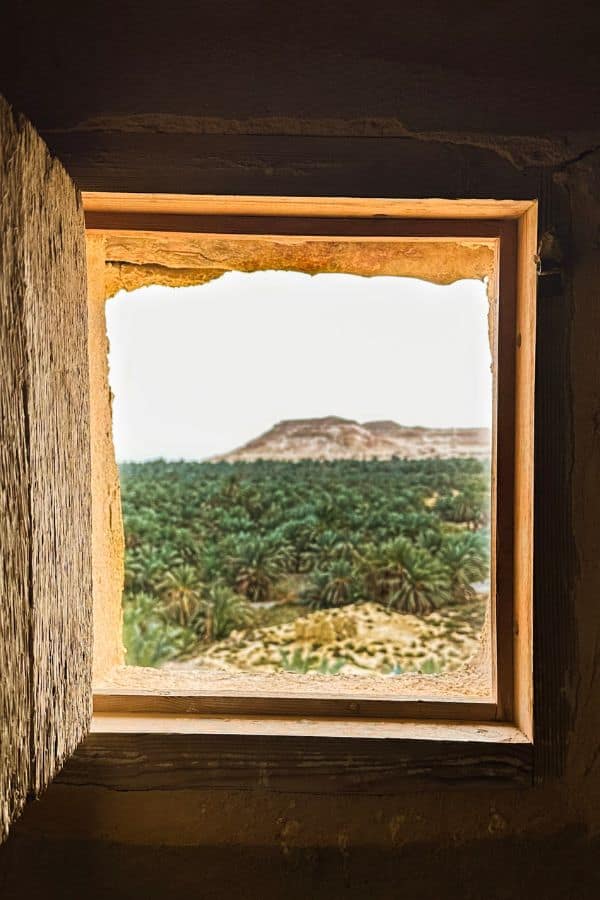
You’ll notice Siwans take life at a different pace. Life moves more slowly here, so respect that and embrace it. Don’t rush. This was the place that made us slow down and inspired us to change our travel style and appreciate slow travel more.
Food & Drinks
The food in Siwa is simple and hearty. You’ll find lots of tagines, rice, dates, and fresh vegetables here.
We loved the local Siwi juice (banana, date, milk, and coffee), and the lemongrass tea served during desert safaris became a daily ritual.
Cafés around the Shali Fortress serve good meals. Just don’t expect fast service. In Siwa, time stretches. That’s kind of the point.
Safety & Comfort in Siwa Oasis
Siwa is generally safe and welcoming. The people are kind, and crime is almost unheard of. You’ll pass through a few military checkpoints on the road in and out, but that is a standard procedure in the Western Desert; nothing to worry about.
At night, streets are quiet, but bring a small torch if you’re walking outside town, as there aren’t many streetlights. If you’re exploring the desert, always go with a local guide. They know the terrain and communicate with checkpoints if needed. Also, you don’t want to get lost in this vast desert.
Before heading to the desert you will have to show your passport so make sure you have it on you.
Connectivity
Internet and phone signal in Siwa are limited but not impossible. Vodafone and Orange work best, though speeds can be slow. We bought a Vodafone sim at the airport, and it works well apart from the desert.
We would recommend looking at it as an opportunity to disconnect and join the slow Siwi life. The scenery and the desert are far more interesting than your inbox.
Summary
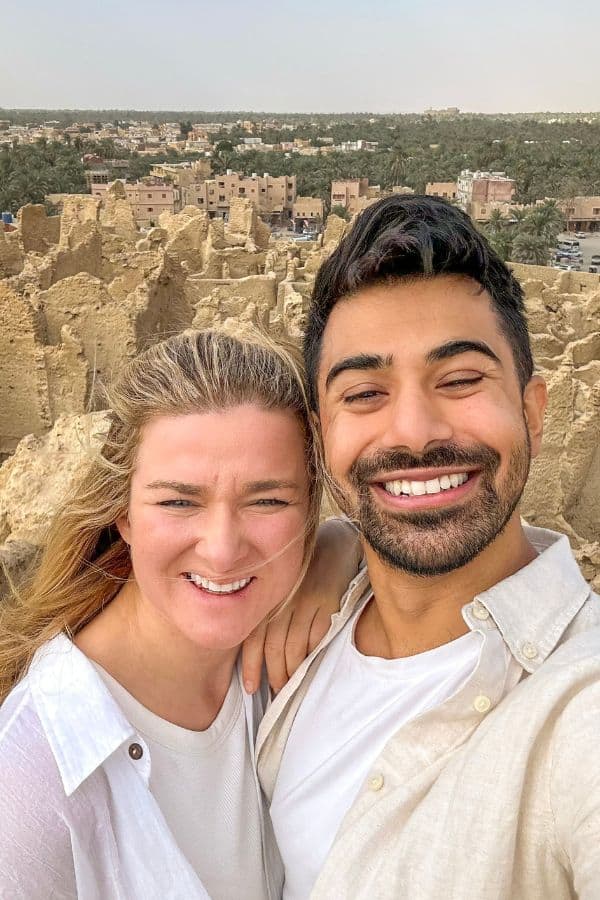
Siwa is one of those places that seeps quietly into your memory. It doesn’t dazzle in the usual way. There are no big cities, no famous resorts, and no glossy signs pointing the way. Instead, Siwa wins you over with simplicity.
Every day feels both ancient and present. You walk through mud-brick ruins that have stood for centuries, then sip tea under the same stars that guided travellers long before roads existed.
We loved how real it all felt, imperfect, slow, and completely free of rush. You learn to go with it, to trade your clock for calm. It is a stark contrast to Cairo and the bustle of the city.
If you’re planning a visit to Egypt and wonder what else to see, or are looking for an itinerary, check out our Egypt guide with a full 11-day itinerary.