Things to do in Porto (2025): Best Sights & Local Secrets
When we first arrived in Porto, we didn’t expect it to win us over so fast. A few hours in, we were already wandering along the Douro River, discussing that we definitely have to come back here.
There was this vibe to this city that stole our hearts. It felt cosy, intimate, and more personal. Visiting during the shoulder season probably contributed to it, as the streets were quieter and calmer.
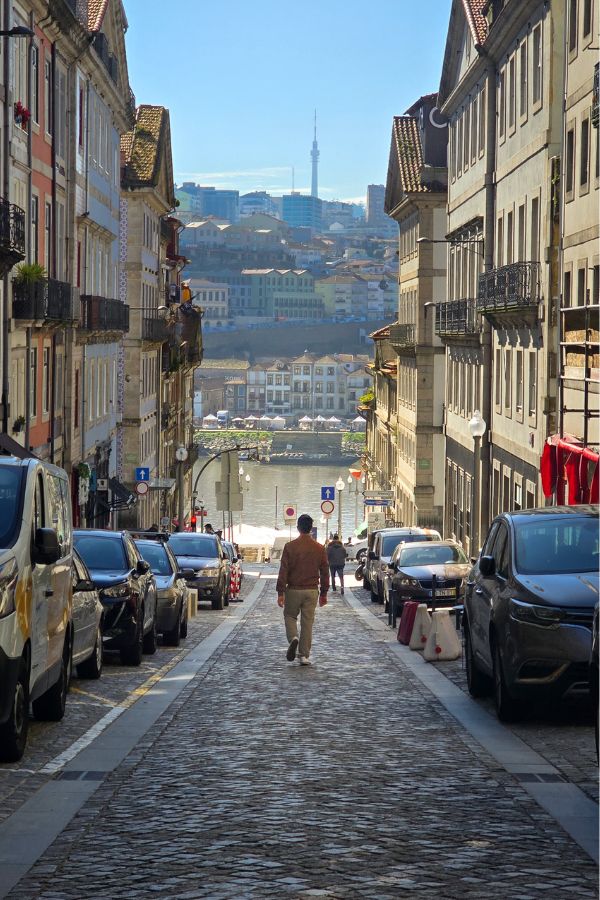
Porto isn’t a city you see fully at first glance. It’s a city that slowly reveals itself in layers, from its famous riverfront to its hidden family-run tascas. If you’re still undecided about whether to come here, we have something for you. We shared more details in our ‘Is Porto Worth Visiting‘ article, which we hope will help you make a decision.
Things to do in Porto: A Reality Check
Most guides to Porto read like a shopping list, cramming in 20 or more attractions. The truth? You won’t be able to see everything in two or three days, and that’s okay.
Porto’s real magic isn’t about checking off every landmark. Don’t get us wrong, they’re beautiful, and you can see the majority of them. However, its charm is in how places connect.
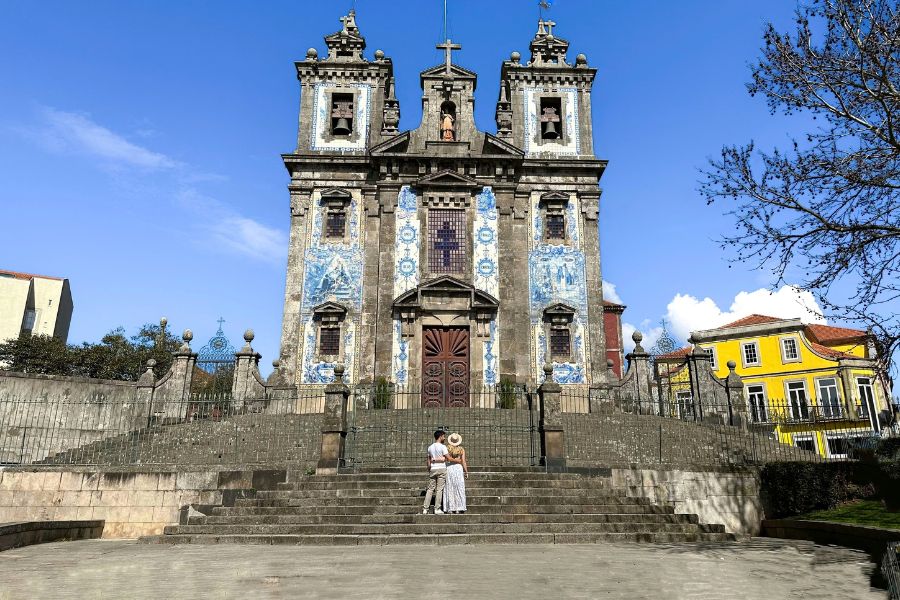
The way maritime trade shaped Ribeira, how azulejo tiles turned walls into stories we can read, and how family-run tascas still serve recipes passed down through generations.
When you let the city unfold slowly, you experience it as more than just a collection of sights. You start to feel its rhythm. A good rule of thumb? Pick 2 or 3 significant sights per day, and leave the rest of your time for wandering.
Which Porto Traveler Are You?
Everyone comes to Porto with different expectations. We’ve found most travelers fit into one of three types:
The Culture Detective seeks to understand what makes Porto uniquely Portuguese. You want context, history, and authentic cultural experiences that go beyond surface tourism.
The Instagram Hunter wants to capture those famous shots and recognizable landmarks. And we’ll be honest here, there is nothing wrong with this. Porto is stunning and delivers spectacular visuals. We even wrote an entire article on ‘Best Instagram spots‘ to help you find them all.
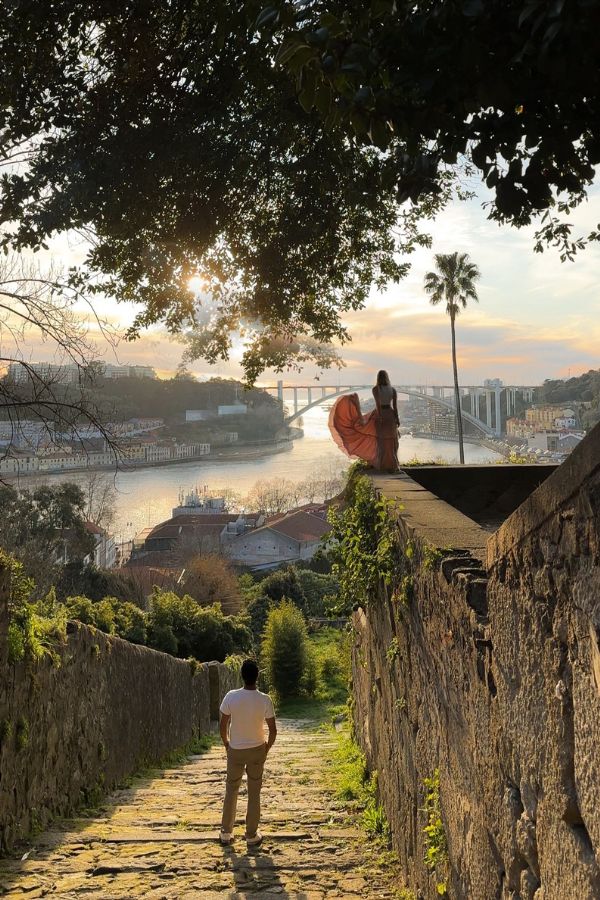
The Flavor Explorer believes the best way to see any city is through its food, wine, and local gathering places. You’re absolutely right. As foodies, this is an essential part of the traveling experience for us, and we captured the best restaurants and food to try in our article, ‘Best Restaurants in Porto‘
The best way to experience Porto is to blend all three, but lean into whichever aspect excites you the most. We promise you will not be disappointed.
What to See in Porto: Iconic Landmarks You Can’t Miss
Even if you only have a short time in Porto, a few sights are non-negotiable. They’re part of the city’s story and are worth seeing.
Dom Luís I Bridge
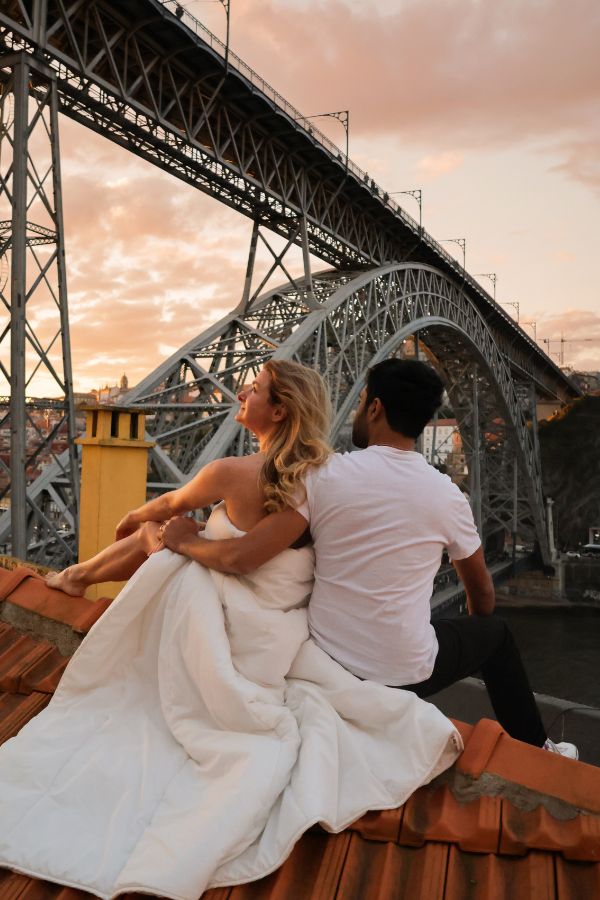
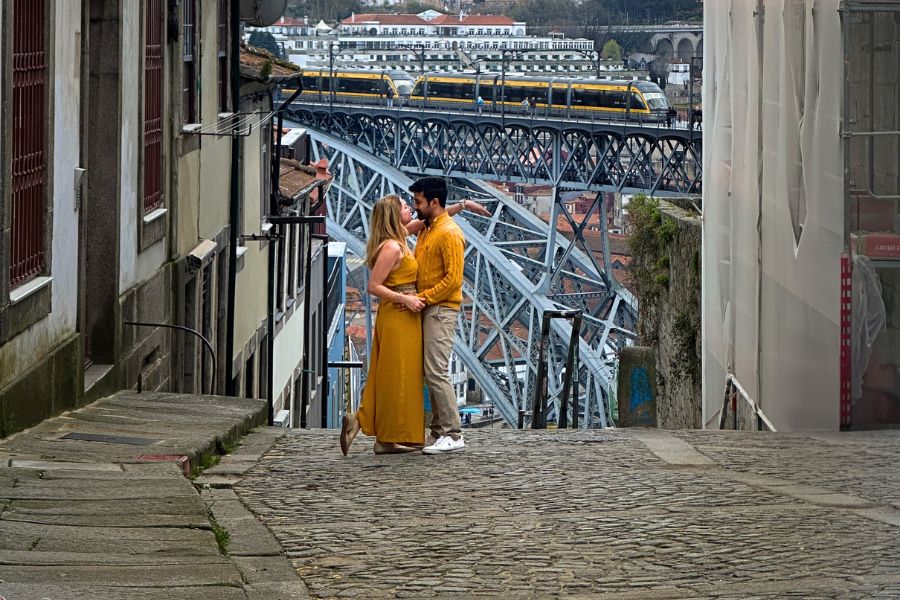
This double-deck iron bridge isn’t just for crossing the Douro. It is the most recognisable and iconic landmark in Porto.
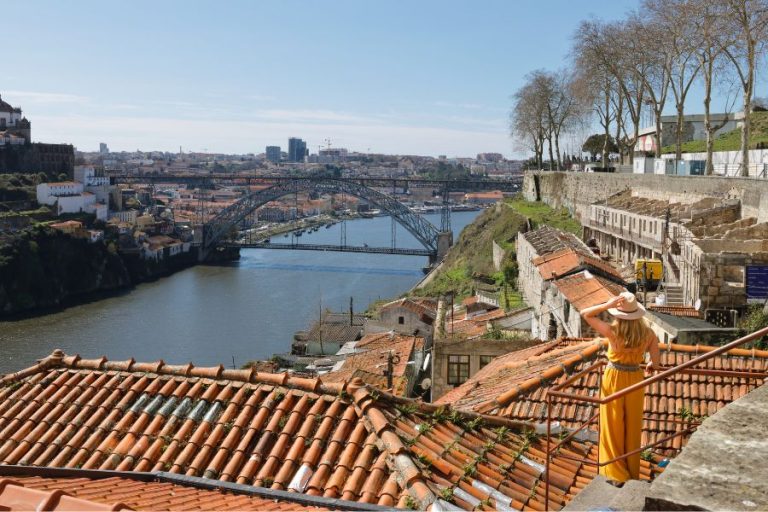
If you walk the upper deck, you will be treated to sweeping views over the Ribeira district on one side and Gaia on the other.
Lower deck, on the other hand, provides that riverfront buzz and energy. One of our favorite moments was standing on top of the bridge, watching the sunset colours over the river and both neighborhoods.
Ribeira District
Every “Things to do in Porto” list starts with Ribeira, and for good reason. It is a UNESCO World Heritage riverside district that showcases medieval Portuguese architecture, making Porto all the more charming. But most visitors see only the Instagram-famous colorful facades and miss the neighborhood’s working-class soul.
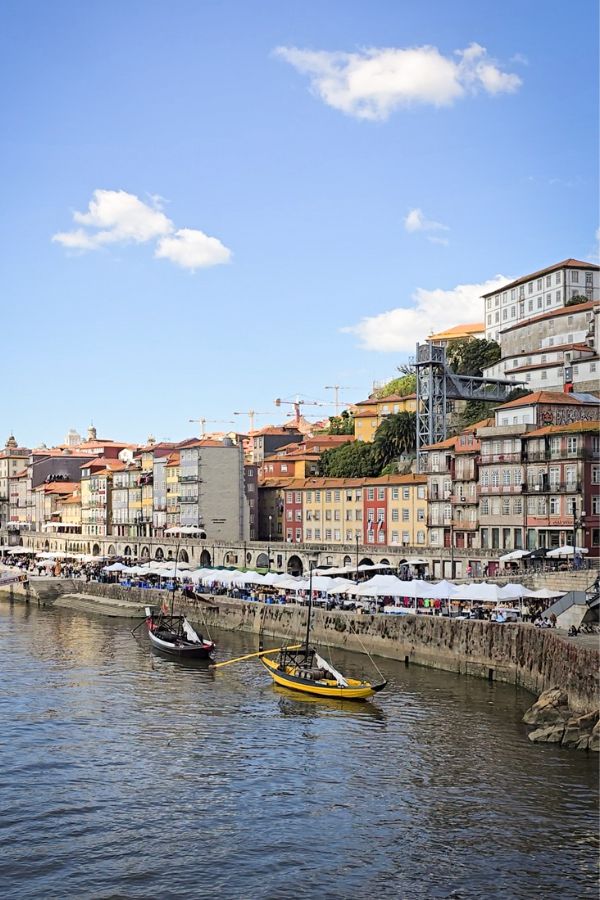
What everyone sees: The rainbow row of buildings along the Douro River, perfect for sunrise photos and sunset dinner selfies.
Fun fact: Those “colorful” buildings actually had a practical purpose. Different colors helped illiterate sailors identify their homes when returning from sea. Ribeira used to be home to fishing families, longshoremen, and the women who repaired nets while their husbands worked the river.
How to experience Ribeira authentically: We recommend visiting it early (around 7 am) when locals are heading to work, but the tourist restaurants haven’t opened yet. The light is soft and golden then, and the streets are quieter.
The detail that changes everything: If you look up at the building facades, you will notice the azulejo tile numbers and religious symbols. These weren’t decorative. In the past, they acted as street signs for many residents who couldn’t read.
São Bento Station
São Bento Station is often called one of the most beautiful train stations in Europe, and it’s easy to see why. Inside, more than 20,000 blue-and-white tiles cover the walls, each telling a piece of Portugal’s story.
How to “read” the tiles: Start with the north wall, which shows the evolution of Portuguese transportation from ox carts to steam trains.
Move to the east wall, which depicts rural festivals and traditional costumes. The south wall shows the Battle of Valdevez, while the west wall celebrates Portuguese exploration and maritime achievements.
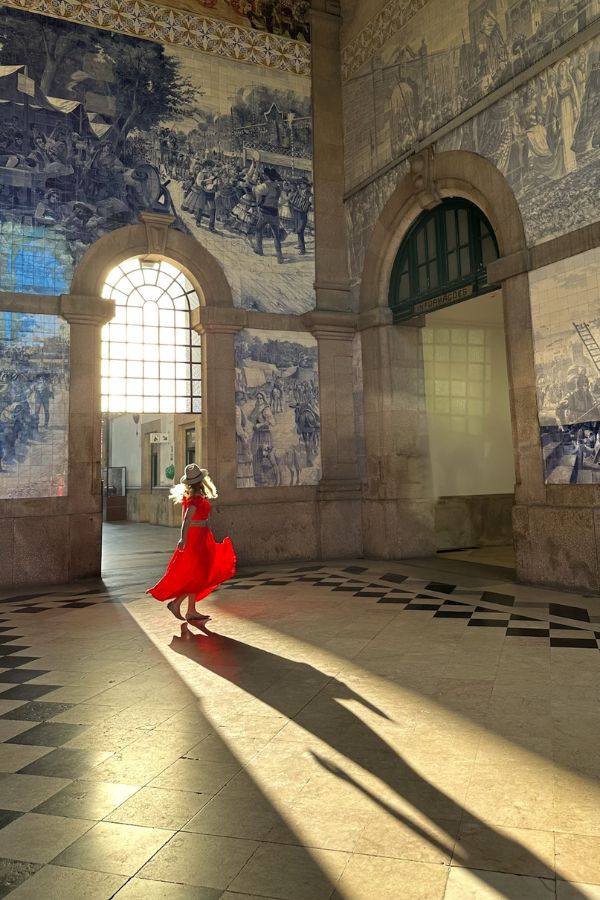
Pro tip: If you would like to capture the station’s beauty without crowds, come here before rush hour (7 am).
Clérigos Tower
Clérigos Tower rises high above Porto, rewarding the 240-step climb with sweeping views. From the top, you see the Douro curving through the city and the Atlantic in the distance.
The views: 360-degree panoramas showing Porto’s layered architecture, the Douro River’s serpentine path, and the Atlantic Ocean in the distance.
The context: Built between 1732 and 1750, this tower represented the peak of Portuguese Baroque architecture. Nicolau Nasoni, the Italian architect, designed it to dominate Porto’s skyline as a symbol of religious and economic power.
What most visitors miss: The Igreja dos Clérigos, located at the base of the tower, features Nasoni’s most intricate Baroque interior work. Take a few minutes to explore the area before climbing the tower. This will help you understand the architectural vision that makes the climb worthwhile.
Best times: Early morning (9 am) for soft light and smaller crowds, or late afternoon (5 pm) for the golden hour. Avoid visiting during midday. That’s when harsh light flattens the cityscape – it’s also the busiest time so that the viewing platform will be packed.
Things to do in Porto – neighbourhoods
Each part and area of Porto has its own personality, and exploring them is half the fun. We have summarized each one briefly here so that you can find the ones that resonate with you the most and where you would like to stay during your trip.
Where to stay in Porto
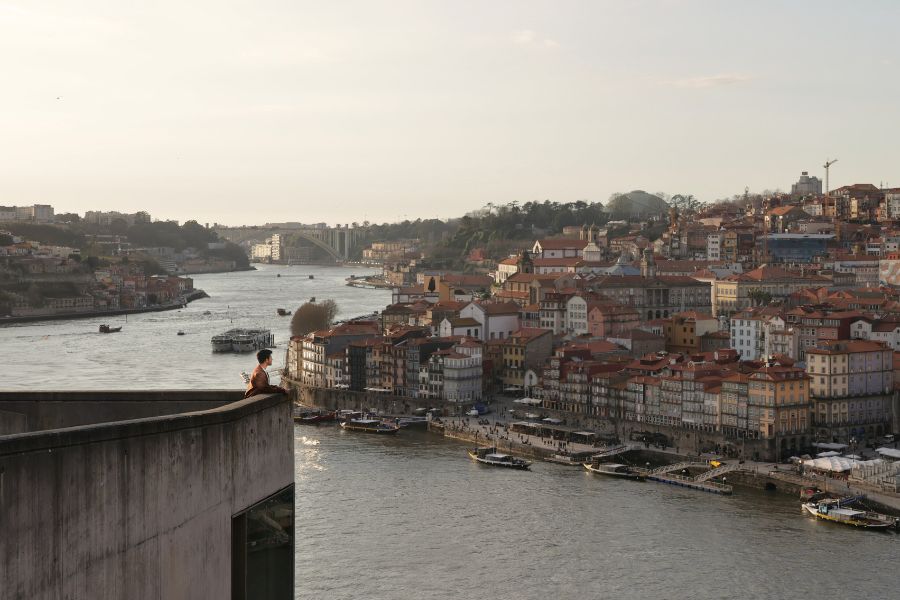
Ribeira
This is the Porto you see on postcards: colorful houses tumbling down to the river, narrow cobbled lanes, and that lively promenade. Yes, it’s touristy, but watching Ribeira light up at dusk is unforgettable.
Vila Nova de Gaia
Across the bridge, Gaia has a slower pace. We loved wine tasting here, followed by riverside dinners overlooking Porto’s skyline. The sunsets here are unbeatable. Jardim do Morro quickly became one of our favorite spots. We actually stayed here for part of our trip.
Baixa/Sé
This is the beating heart of the city. We stayed in Baixa and loved being able to walk to almost every major landmark. The streets here are buzzing with cafés and shops. It can get noisy, but the convenience when you’re short on time makes up for it.
Cedofeita
Porto’s creative district is filled with street art, small shops, and independent cafés. It feels more local and less touristy. Our favorite sunset at Palácio de Cristal is in this neighbourhood and we can’t recommend it enough. This area is a perfect balance of local life and quiet beauty.
Foz do Douro
Where the river meets the sea, this neighborhood feels like a seaside town, with sandy beaches and oceanfront cafés. The rhythm here is slower. We loved taking the vintage tram from the city to Foz. It felt like traveling back in time.
Bonfim and Marquês
These districts don’t have major landmarks, but they’re perfect if you want local and affordable vibes. We found great bakeries and quieter streets here. The metro makes it easy to hop into the center.
Neighborhood Strategy
If you’re short on time, here’s a simple plan:
- Day 1: Ribeira, São Bento, and sunset at Jardim do Morro
- Day 2: Baixa, Palácio da Bolsa, and dinner in Gaia
- Day 3: Cedofeita or Foz, plus Palácio de Cristal
- One week: Add Miragaia, Mercado do Bolhão, and a Douro Valley trip
Things to Do in Porto based on your interests
We are all different and enjoy spending our holidays in various ways. Some of us love chasing sights, others love to discover the food scene. And then there are those who visit places for their historical or cultural significance.
There is no right or wrong way of exploring, and we captured these places for all the groups. Or at least we hope.
Things to do in Porto for Architecture Lovers
The Azulejo Trail: Reading Porto’s Ceramic Stories
For architecture enthusiasts, what to see in Porto must include the city’s incredible azulejo tile tradition. Still, most visitors only notice the most obvious examples and miss the storytelling embedded in Portuguese ceramic art.
Capela das Almas: This small chapel, located near Santa Catarina shopping street, appears entirely covered in blue and white tiles depicting scenes from the lives of saints. Created by Eduardo Leite in 1929, these tiles demonstrate how azulejo art evolved from simple decorative elements to complex narrative murals.
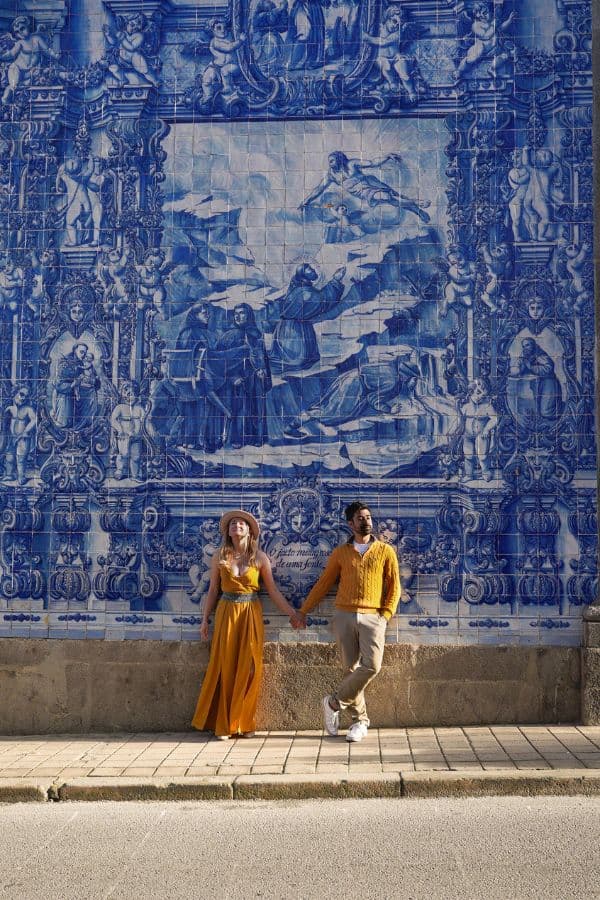
São Bento station: it’s not “just” a station, but the contemporary azulejo work here demonstrates how Portuguese artists continue to innovate within traditional tile-making techniques.
How to develop “azulejo eyes”: Learn to distinguish between different periods of tile-making. 18th-century azulejos feature more geometric patterns and religious scenes. Nineteenth-century works incorporate romantic and historical themes. 20th-century tiles often tell specific local stories or commemorate particular events.
Churches That Tell Portuguese Spiritual Stories
What to see in Porto’s religious architecture goes far beyond beautiful buildings. These churches demonstrate how Portuguese Catholic identity evolved over centuries of political and cultural transformation.
Igreja do Carmo and Igreja dos Carmelitas: These twin churches, separated by the “narrowest house in Portugal,” showcase different periods of baroque development. Carmo features more ornate 18th-century decoration, while Carmelitas displays earlier, more restrained Baroque style.
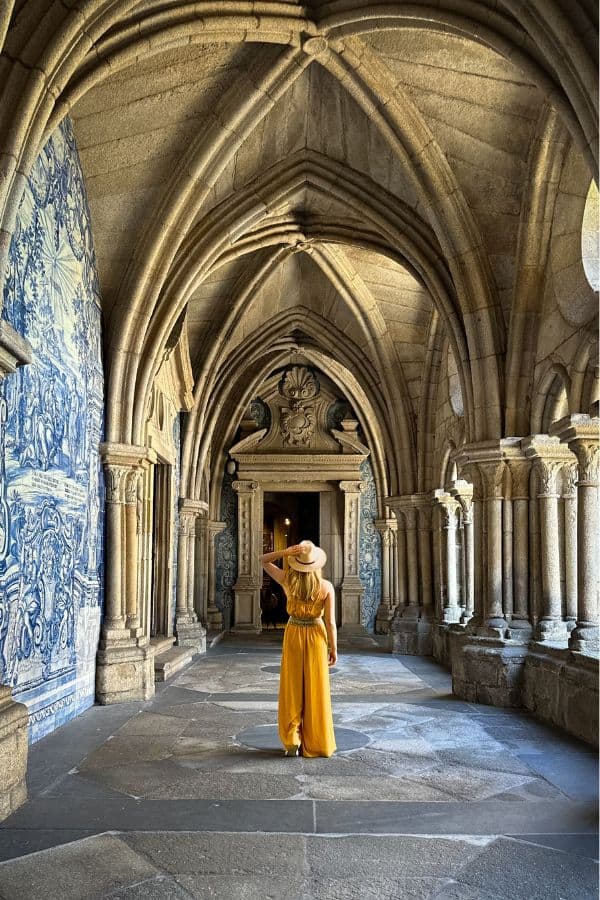
Cathedral (Sé do Porto): Built in the 12th century, this fortress-like cathedral reflects Portugal’s medieval need for religious buildings that could also serve defensive purposes. The azulejo cloister, added in the 18th century, demonstrates how Portuguese religious architecture incorporated decorative elements as the country became more secure and prosperous.
Igreja de São Francisco: This Gothic church features some of Europe’s most elaborate Baroque interior decoration. Literally tons of gold leaf covering intricately carved wooden altarpieces. The contrast between the simple Gothic exterior and the overwhelming Baroque interior tells the story of Portuguese wealth from the Atlantic trade.
Why these churches matter: They’re not just pretty buildings; they’re documents of Portuguese religious, economic, and artistic development. Understanding their architectural evolution helps decode the cultural context behind everything else you’ll see in Porto.
Things to do in Porto for Food & Wine Lovers
Port Wine Cellars: Beyond Tourist Tastings
What to see in Porto inevitably includes port wine education, but most visitors choose poorly and end up with superficial experiences that prioritize quantity over understanding.
Vila Nova de Gaia cellars: Located across the river from Porto’s historic center, these caves house the world’s finest port wines, aging in massive oak barrels. But not all cellar experiences are created equal.
Calem offers intimate tastings that focus on family history, spanning four centuries of port production. The guides share stories about harvest traditions, barrel-making techniques, and how different grape varieties contribute to the distinct characteristics of port.
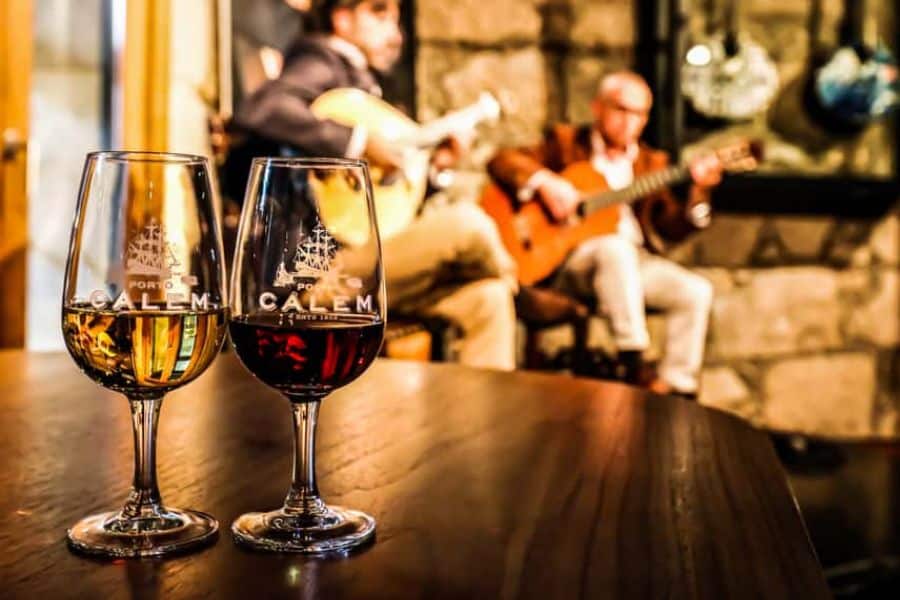
Ramos Pinto: Combines port education with art exhibitions in beautiful historic buildings. Their museum explains the social and economic impact of the port wine trade on northern Portugal.
The Port Wine Museum is an underrated spot that tells the story of how port wine has shaped Porto, from the Douro Valley vineyards to its trade across the world. It doesn’t take long to visit, but it adds depth to any tasting in Gaia. If you’re planning your trip, this is one of those stops that can help decide how many days in Porto you’ll need.
How to choose: Skip the massive tour groups at touristy cellars and opt for smaller producers where the tastings feel more personal. Focus on understanding the process and story behind the production of Port. Choose one cellar and spend 90 minutes learning rather than visiting multiple places superficially.
Markets and Food Halls: Where Locals Actually Eat
What to see in Porto for authentic food experiences requires knowing where locals shop and eat, rather than relying on tourist guides’ recommendations.
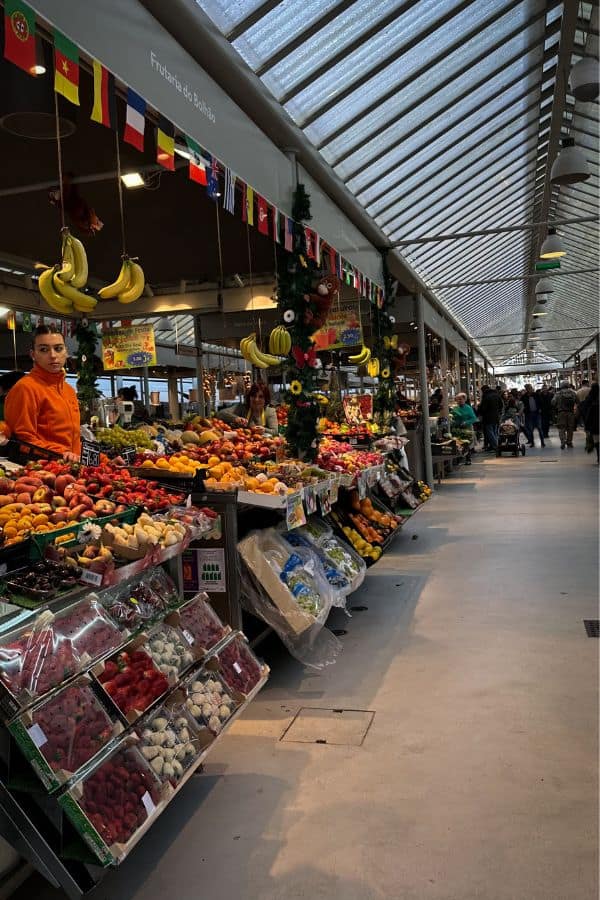
Mercado do Bolhão: it’s Porto’s central market where locals buy fresh produce, fish, and meat. The surrounding neighborhood retains its market character, featuring small specialty shops and family-run restaurants.
Mercado Bom Sucesso: A modern market hall combining traditional vendors with contemporary food stalls. Local families shop for weekend ingredients while young professionals grab quick lunches. This is where you see Portuguese food culture in action.
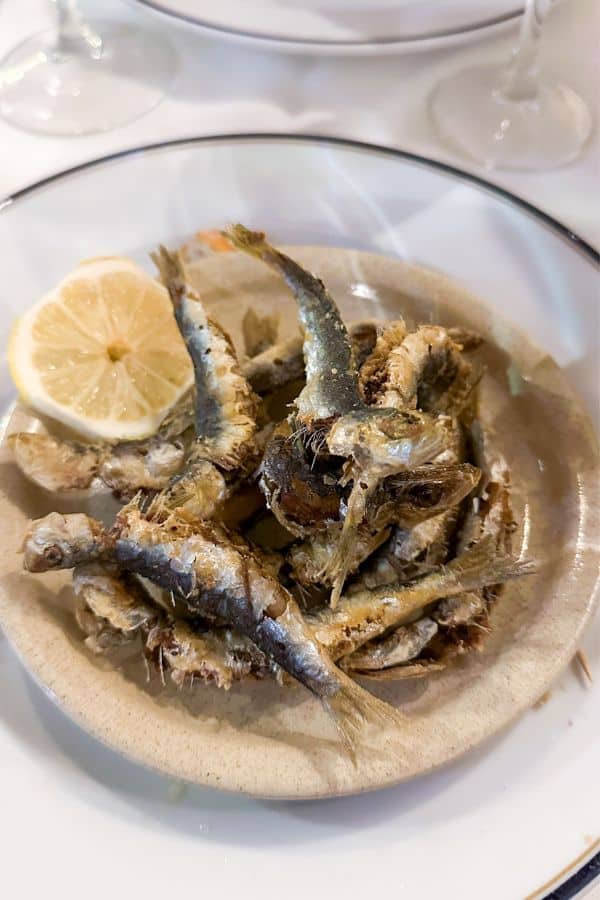
What to buy: Portuguese cheese from Serra da Estrela, local honey varieties, those tiny Portuguese sardines that cost €3 and taste nothing like grocery store versions, and Portuguese olive oil that rivals anything from Tuscany.
What to taste: Bifana (pork sandwich) from corner stands, fresh pastéis de nata from market bakeries, and vinho verde that costs €5 in Porto and €15 in most other countries.
Neighborhood Tascas: The Real Portuguese Dining Experience
What to see in Porto for food lovers must include authentic tascas (traditional taverns) where locals have eaten for generations, and recipes remain unchanged by tourist demands.
A Grade is a charming family-run tasca that feels authentic from the first bite. We walked in, unsure about our choice and even more about sardines (as a dish). We left completely convinced.
Bacalhoeiro serves its dishes in huge portions with views over Ribeira. We ordered salted cod and grilled octopus and couldn’t finish them, but every bite was worth it.
It’s an ideal dinner spot after exploring the Port caves and this side of the Douro. It’s also a great pick if you’re craving Porto seafood.
Taberna dos Mercadores is a tiny and tucked-away family-owned restaurant that serves fresh seafood and rustic classics. It has only a few tables, so be sure to book yours in advance or arrive early to queue before they open.
How to find authentic tascas: Look for places where the menu is handwritten in Portuguese only, where locals are eating with their families, and where the owner can tell you exactly where the fish was caught or the meat was raised. We have written an article about food and restaurants, so we recommend reading it to gain even more information on the culinary scene in Porto.
Things to do in Porto: The Truth
What You Can Realistically See
Let’s be honest about what to see in Porto during typical visit lengths, because unrealistic expectations ruin more trips than bad weather or transportation delays.
One day: Essential historic center (Ribeira, São Bento, Clérigos) plus one authentic experience (port wine tasting or neighborhood meal). This gives you a taste of Porto but leaves you wanting more.
Two days: Add contemporary neighborhoods (Cedofeita), authentic dining experiences, and deeper exploration of art and culture. This provides a good understanding of Porto’s character. Head to our 2-day itinerary for that perfect balance
Three days: Explore all major neighborhoods, take a day trip to the Douro Valley or coastal areas, experience multiple authentic activities, and allow time for spontaneous discoveries. This creates a lasting connection to Porto. Please take a look at the 3-day itinerary we’ve prepared for you.
One week: Develop a genuine understanding of northern Portuguese culture, form relationships with locals, discover hidden gems, and experience seasonal or cultural events.
Managing Tourist Trap Temptations
Many Things to Do in Porto guides often promote experiences that disappoint because they prioritize fame over authenticity. We fall for a couple of them and want to be transparent rather than encouraging those here.
Tourist traps that waste time:
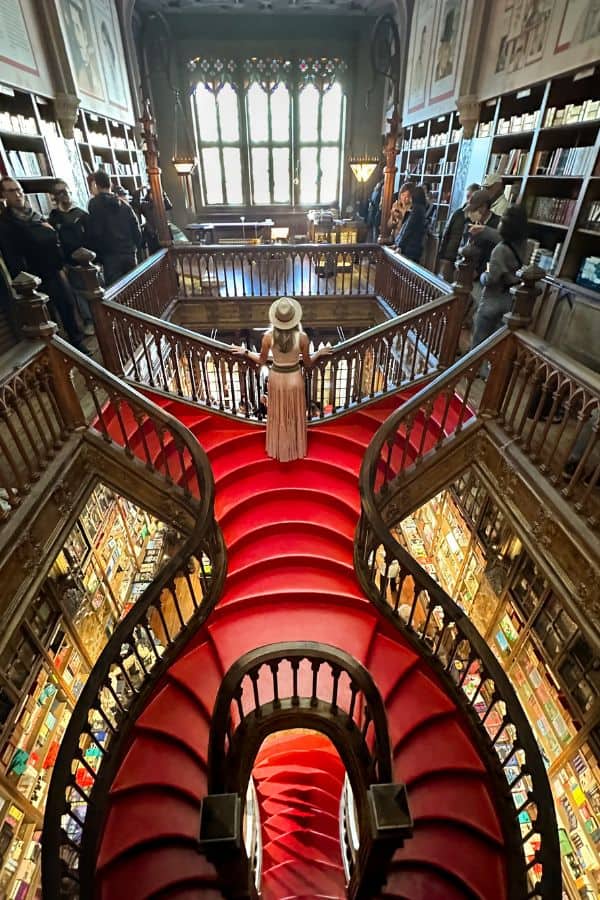
- Livraria Lello during peak hours: Crowded, expensive (€10-€15 admission up to €50 for VIP). This is more about Instagram than books. Don’t get us wrong, it is beautiful, but so packed you can’t experience or enjoy it.
- Riverside restaurants with laminated English menus are often considered real tourist traps. Overpriced, mediocre food designed for tourists rather than locals, with very poor quality.
- Organized “traditional” tours: Generic experiences that could happen in any European city. We skipped that one, but we heard about it from friends.
Better alternatives:
- Matéria Prima bookstore: Authentic literary culture without crowds
- Neighborhood tascas: Real Portuguese cuisine at local prices
- Self-guided exploration: Genuine discovery and cultural immersion
The “I Wish I’d Known” List
What to see in Porto works better when you understand practical realities that guidebooks often ignore.
Weather reality: Porto’s Atlantic location means unpredictable weather even in summer. Pack layers and a waterproof jacket regardless of the season.
Hill challenges: Those picturesque cobblestone streets are steep and can be slippery when wet. Comfortable, grippy shoes are essential, not optional.
Portuguese pace: Restaurants open late (lunch at 1 pm, dinner at 8 pm), shops close for extended lunch breaks, and rushing is culturally inappropriate. Embrace Portuguese timing rather than fighting it.
Language helps: Learning basic Portuguese greetings and food terms can dramatically improve your experience and interactions with locals.
Summary

The best answer to “What are the best things to see in Porto?” isn’t, in our opinion, a list of attractions. It’s exploring this charming Portuguese city slowly and with curiosity.
This is the city that still feels real, surprises visitors with its atmosphere, and rewards them with authentic cultural experiences.
We fell in love with Porto after only 3 hours there, despite not seeing its famous sights. It was its charm and vibe that won us over.
As we explored the sights, restaurants, and got lost in the narrow streets, the city grew even more on us. Our weekend in Porto became one of those unforgettable experiences that will stay with us for a long time.
FAQ – Things to Do in Porto
What are the top things to do in Porto for first-time visitors?
Start with Ribeira, São Bento Station, and the Dom Luís I Bridge. Add a tiled church like Capela das Almas and finish your day with a sunset at Jardim do Morro.
What are the best things to do in Porto in 2 days?
With two days, you can explore Ribeira, Clérigos Tower, and São Bento Station, then enjoy a port wine tasting in Gaia. On day two, visit tiled churches, stroll the Palácio de Cristal Gardens, and try local dishes at a tasca.
What things to do in Porto are free?
Some of the best things to do in Porto don’t cost a cent. Wander Ribeira, admire azulejo-covered churches, cross the Dom Luís I Bridge, and catch the sunset from Jardim do Morro.
What things to do in Porto are most authentic?
Skip the crowded tourist spots and spend time in Cedofeita or Bonfim for a local feel. Eating at a family-run tasca, listening to live music at Jardim do Morro, or exploring neighborhood markets are some of the most authentic things to do in Porto.
What is the number one thing to do in Porto?
It depends on your style; for history, it’s São Bento Station. Looking for beautiful views? Clérigos Tower or Jardim do Morro. For food, it’s sharing a francesinha or fresh sardines. Together, they make up the best things to do in Porto.