
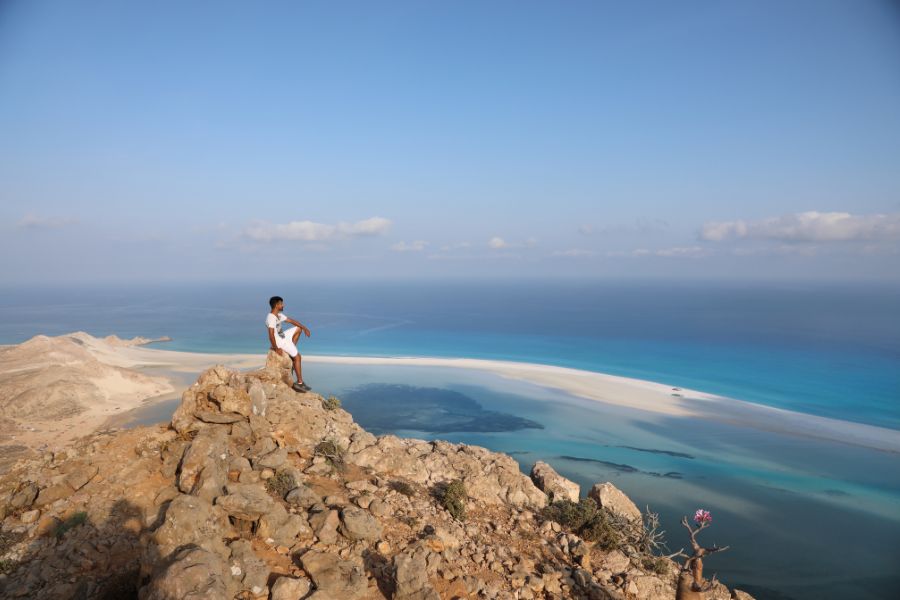
How to get to Socotra: Your must-read guide
When we were planning our trip to Socotra, we kept getting asked two questions. The first was always ‘Is Socotra safe?’. The second was ‘How are you even going to get to Socotra?’ and it was an excellent question! We quickly learned that it is not a place you can get to by simply booking a flight online.
Due to Socotra’s location and proximity to Yemen, a country with an ongoing civil war, getting to this paradise island has historically not been easy. But thanks to that it is not very well-known to tourists, making it one of the most unspoiled places in the world.
However, it is now easier to get there than ever before. With more flights per week arriving on the island each year, Socotra is on the way to becoming a popular tourist spot.
In this article, we will share all the information about how to get to Socotra. We will also provide an overview of the safety and what to expect when you get on the island. In addition we will touch on the best times to visit, and what you need to pack as it a unique destination.

Where is Socotra, and why it’s hard to get there?
Socotra is an island located in the Indian Ocean just east of Somalia. Many people dismiss it as a destination after finding out it is part of Yemen, one of the top 10 most dangerous countries in the world.
However, what many people don’t know is that the island is 380km away from the mainland. Because of its remoteness it has been isolated from the conflict. In addition they don’t know that Socotra is an oasis of peace. Simply said, it is the most breathtaking place you’ll ever get to see and experience.
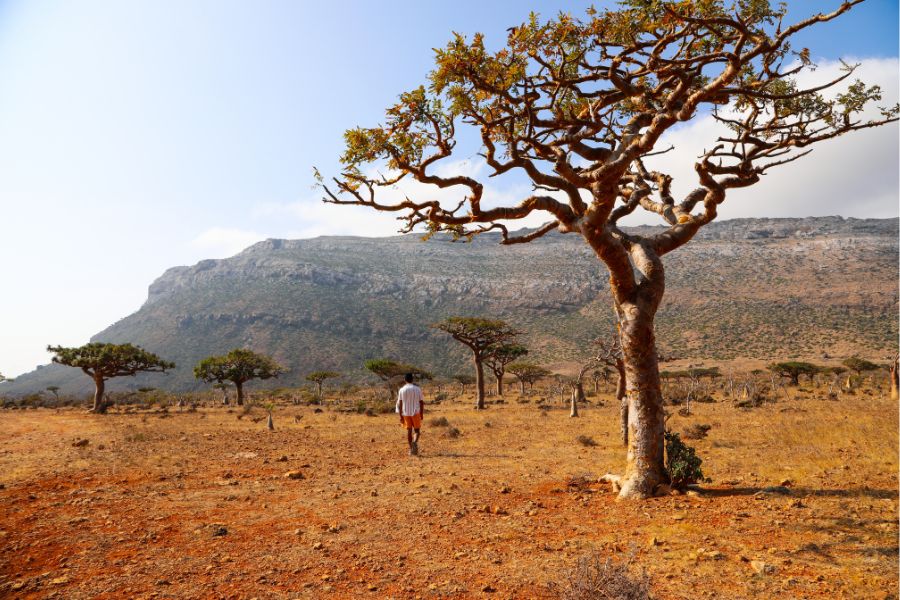
The island’s unique biodiversity earned it a UNESCO recognition as a World Heritage Site, and you will understand why the moment you see the native Dragon Blood trees, or Bottle Trees in bloom. Trust us, you’ve never see anything like it elsewhere in the world.
Getting to Socotra is challenging due to its remoteness and political situation in mainland Yemen. As a result of the conflict, all commercial flights were cancelled in 2015. For years, the only way to get to the island was on a humanitarian aid plane or a local boat.

At the end of 2018, commercial flights were resumed with 1 flight per week from Cairo. Over the years, the frequency of the flights increased, and Air Arabia added additional route from Abu Dhabi.
You can see that tourism on Socotra is growing, and the island is becoming increasingly popular amongst travellers looking for unspoiled, untouched places.
Is it even safe to travel to Socotra?
Overview of the situation on mainland Yemen
The civil war in Yemen began in 2014 when tensions between Iran-backed Houthi rebels and the government peaked. The conflict stemmed from years of growing unrest following the 2011 Arab Spring protests against corruption and poverty.
In September 2014, Houthi fighters seized Yemen’s capital, Sanaa. By February 2015, they had dissolved the government and taken control of northern Yemen.
In March, a Saudi-led coalition intervened with airstrikes and a naval blockade, preventing Houthi expansion into the south but triggering a humanitarian crisis that persists today.
Despite ongoing battles and peace talks, civilians remain the most affected.
Socotra and safety on the island
Socotra’s remote location (380 km from the mainland) shielded it from conflict, and no fighting ever reached the island.
However, the war still had an impact, disrupting supply routes and limiting access to essentials. After 2015, commercial flights stopped, leaving only local boats and humanitarian aid planes for travel.
In recent years, stability has returned, allowing flights to resume gradually. Starting with one per week in 2018, the number of flights has steadily grown, reaching five per week in the 2024/2025 season, highlighting Socotra’s safety and rising popularity as a tourist destination.
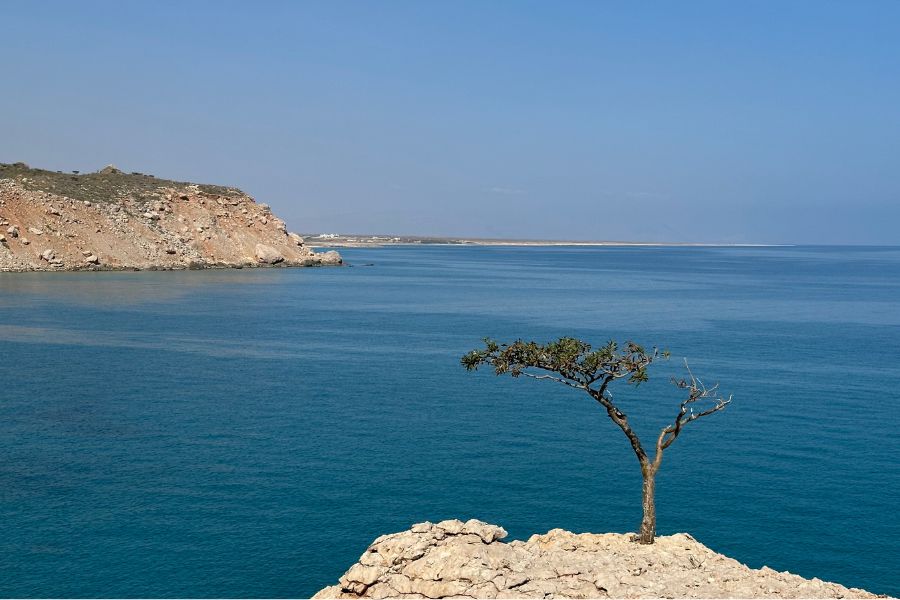
A few things to note here. The island’s remoteness helped keep the civil war at bay. However, it poses some risks that you need to be aware of and prepare for. We covered this extensively in our ‘Is Socotra Safe?’ post and recommend reading it to fully understand what to consider when planning your trip to this incredible island.
How to Get to Socotra: Important facts
We love exploring on our own, without guides or big group trips. We enjoy the flexibility of exploring places whenever and wherever we want. However, Socotra is difficult if not impossible to explore by yourself, you need to have a guide or be part of a group trip.
Why do you need a local guide in Socotra?
To get to Socotra, you must first find a local travel agency. You cannot get to the island or book your flight without them (flight tickets are not available online for personal booking). They will secure the flight for you and will take care of everything when you’re on the island.
You can’t visit or explore Socotra on your own. It is one of those places where you must always have a guide and an experienced driver with you – there is no public transport or taxis on the island. There are also no car rental companies, and self-driving here is highly dangerous even if there were.
Driving and road conditions
Socotra doesn’t have an excellent infrastructure – only 1 main road, and even that one is paved only in certain sections. There are no road signs, the terrain is extremely challenging, and most must-visit places are remote areas only experienced drivers can reach.
Travel Sustainability
Another reason agencies are needed is because they work together to prevent overtourism and overcrowding of visitors.
They coordinate itineraries to stagger tourist visits, ensuring that no single location becomes overcrowded due to limited infrastructure. It is also why the island still has its peaceful and tranquil atmosphere.

How to Get to Socotra: by air
How to book flights to get to Socotra
If you go to Skyscanner, Kayak, or Google in general, you won’t be able to find and book your flight yourself. Only agencies can access them.
They will enquire about the flights (once you give them your dates) and later on pre-book them on your behalf. You will still have to transfer the money for your flights directly to the airline to secure them. It isn’t the agencies trying to scam you; everyone we’ve met and spoken to in Socotra has had to go through this same process of sending money via bank transfer.
As this involves a bank transfer rather than card payment, we first had some issues with it. One of our banks flagged the transaction as suspicious and blocked the transfer to the airline’s account. We called the fraud department and tried to explain the situation, but they refused to transfer it!
Luckily, we used a different bank account and had no issues. Just keep this in mind and stay calm! Make sure you have access to multiple bank accounts to avoid payment getting held by your bank.
We thought we will share this in case it might happen to you too. We were a bit stressed when we were trasferring the money, as this was a significant amount. In addition we were worries we will loose our secured tickets if we don’t pay for them urgently. Flights to Socotra get booked really quickly so make sure you plan your trip in advance.
Flights to Socotra from Abu Dhabi
Air Arabia operates 3 government-chartered flights a week from Abu Dhabi to Socotra, departing every Tuesday, Friday, and Sunday at 9 AM.
We recommend arriving at the airport 2-3 hours early. Each passenger is individually checked on the list before proceeding to baggage drop and ticket issuance, both involving separate large queues.
The return flights to Abu Dhabi are also on Tuesday and Friday at 11:50. It took a while to go through the security in Socotra as there only one machine and it is so small that it only scans a couple of bags at a time (plus there were lots of minor power outages when we visited, cuasing the machine to restart very slowly each time). As it can take a while to go through security, we recommend arriving 3 hours before your flight to avoid unnecessary stress.

Things to note:
- At Socotra airport, you can take your water through the first scan and security check. Then you to get into the departure lounge to wait for your plane.
- The departure lounge features two small cafes, though the selection is limited and they are sometimes closed. To avoid inconvenience, it’s a good idea to bring your own snacks and water. You will have to scan your bags again before you board the plane. This is where you can’t bring any liquids over 100ml.
- For passengers who require a visa to the UAE, ensure you have a multi-entry visa for your return flight from Socotra. This is to avoid any issues when you fly back via Abu Dhabi.
Flights to Socotra from Cairo
There are 2 flights per week from Cairo (Air Yemenia) – in the 2024/2005 season. These are Monday and Thursday, but these may be subject to change, so please check with your travel agency.
The plane from Cairo leaves at 2 am on Sunday/Monday night and stops in Aden (mainland Yemen) for 2-3 hours. Depending on your flight, you will either stay on the same plane or transfer to a different aircraft for the domestic flight to Socotra with a passenger pick-up/drop-off stop in Mukalla. You will arrive in Socotra on Monday morning.
We didn’t choose this option as it was much longer compared to a 2h flight from Abu Dhabi vs a 12h flight from Cairo. This option was also slightly more expensive as a return flight is $1180, instead of $950 (please note prices might have changed since).
How to Get to Socotra: other options
While trying to figure out how to get to Socotra, we read about a few alternative options to get to the island. We will be honest with you: not only do they not sound appealing, but they also carry a lot of uncertainty and risk with them.
The first one was the cement ship from Oman. We honestly think this is some sort of legend and not an option anymore. We asked around on the island, and no one could confirm if it still runs or is an option.
The Second was to cross the land border between Oman and Yemen and catch the plane to Socotra from Aden. We discarded this option as there was so much uncertainty around whether the crossing is open, the permissions to cross, and more importantly, it meant getting to mainland Yemen, which we consider too risky for us.
Socotra Entry Requirements
Yemeni Visa for Socotra
Your entry visa to Yemen can only be arranged by the local tour operator or agency. They will arrange it on your behalf. The visa cost is sometimes included in the tour price, or you might have to pay for it separately (usually $150). In our case, the visa was included in the cost of our trip.
All you have to do is provide your passport details to the agency, and they will organise everything for you. Please note that your visa will only be issued more than 30 days before your flight and is only valid for 30 days.
We received our visa a few days before our arrival date in Socotra. It was a bit stressful, but our agency assured us that this was not something to worry about and that it was standard procedure.
Once you have received your visa, ensure you print 2 copies and carry them with you when you cross the border. We made a mistake and packed them in our main luggage, and were worried we would not be allowed entry.
It turned out that it was enough to show our electronic copies of it, and we were OK to enter. At the border, we received a paper visa slip which we had to keep safely in our passport and hand it back at the border when we leave.
One thing to be aware of
If you have evidence in your passport that you have previously visited Israel, you will be denied entry to Socotra. Even though you might not have a stamp from Israel itself, you will be refused entry if you have a stamp from a land border crossing of a neighbouring country.
Quick summary:
- Most nationalities require visa to enter Yemen (Socotra)
- Your local tour operator will arrange your visa for you
- The cost of a visa is around $150
- You will receive your visa not more than 30 days before your date of entry
- Your visa is valid for 30 days
- Print 2 copies of your visa, but as of 2024, an electronic copy is also accepted at the border
- Entry to Socotra is prohibited for travelers with passport stamps or documentation indicating prior visits to Israel
Travel Insurance for Socotra
We’ve always emphasized the importance of comprehensive travel insurance, and Karo’s skiing accident in France two years ago reinforced just how crucial it is. After being helicoptered off the slope and spending more than a week in the hospital before returning to the UK, the total costs would have exceeded £20,000. Thanks to our insurance, we didn’t pay a penny.
In the case of Socotra, a remote island with basic health care and limited access to transport, we knew we had to be prepared for every eventuality.
Before you travel, make sure that your insurance covers Socotra. It is essential, most insurance companies do not cover it due to its high-risk location. It is also worth checking if it allows for medical emergencies, including evacuation and repatriation if needed.
This type of coverage is extremely important for Socotra as the potential cost would be huge if anything was to happen there. We personally bought seperate high-risk country insurance for our trip, the peace of mind is worth the money.
What to Expect When You Arrive
Going through the security at the arrivals was very smooth and straightforward. During your queue for border control, you will have to to show your visa (paper or electronic version). You will then receive a paper visa slip, which you will have to return when you depart Socotra.
Once you have your slip, you will go to the main desk for security checks. There are separate desks for men and women, but don’t worry—you’ll very easily identify which line you need to go to.
The whole process was surprisingly smooth. We got our stamp and moved to the baggage claim area. This is where your guide will be waiting for you. After you pick up your suitcase/backpack, you will go to the 4×4 car, your main means of transportation for the next few days.
Best Time to Visit Socotra
Socotra has two distinctive seasons – monsoon or cyclone and travel or tourist seasons. The island is subject to high winds from May/June to late September, resulting in a very rough sea.
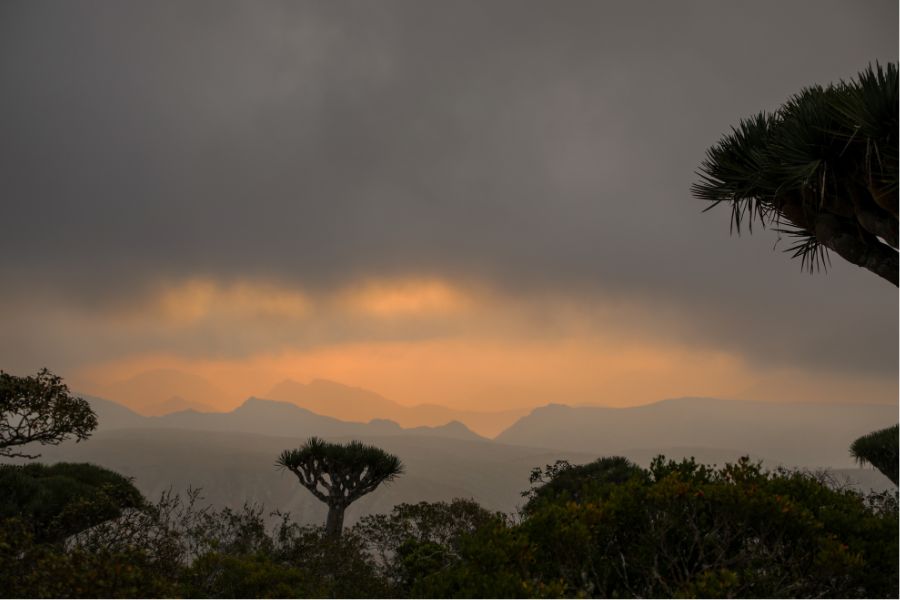
During this time, planes still fly to the island (albeit delayed or cancelled), but most tour companies do not plan any trips. Winds pick up the sand and dust, making breathing and seeing anything very hard.
Usually, no trips are taking place during this time, and most people stay home. In addition, the temperatures during this time are high, making the potential trip even more unpleasant.
The travel season starts in October and lasts till May, and during this time the weather can differ a lot, so we split it to make it easier for you to plan your trip accordingly based on what you want to do and see.
October – December
The wind calms, and the temperatures are comfortable between 25°C and 30°C. Evenings are cooler and the tourist season starts. However, October to December is the rainy season of Socotra (with December seeing most of the year’s rainfall), making it a less ideal time for hiking and snorkelling. In addition, the rain can affect the roads, making it impossible to access some off-road areas, or flood rivers and walking areas, making it dangerous to travel via Wadis.
January – March
The best time to visit Socotra is January to March. During this time, the weather is dry, the ocean is calm, and temperatures are pleasant (around 30°C and 32°C). These are the perfect conditions for hikes, snorkelling, and camping on the island.
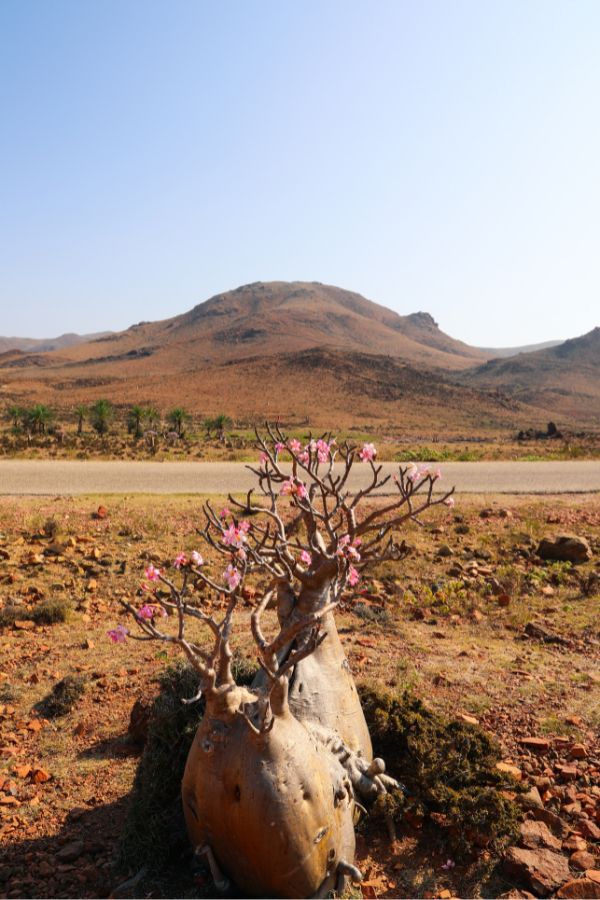
The island is still green from the rain, which makes the scenery lovely and lush. In addition, this is also a time when Bottle Trees bloom (around March), revealing their stunning pink flowers.
April – May
Still a good time to visit, but it is hotter during this time and there might be a higher chance of haze affecting the visibility. We visited at the beginning of April and indeed experienced some haze and heat. It was worth it as we still had lots of bottle trees blooming.
What to pack for your Socotra trip
You’re heading to a remote island where there are barely any supermarkets (only in main cities and not stocked with products like we’re used to back home). There are local shops in villages, but again these mainly stock food, so it is crucial to pack essentials, and we’re here to help you.
We split it into groups to make it easier to plan this. Also, please note you can only bring 20kg in your main suitcase and 8kg in your hand luggage on the flight to Socotra, so this will also determine how much you can bring with you.
Suitcase or backpack?
It is the key to choose what you’re going to pack into. We read many posts suggesting large backpacks in favour of wheeled suitcases. At first, it made sense, considering the island’s rugged terrain and how much easier it was to carry them.
However, we quickly learnt that once we loaded our bags into the car at the airport, they pretty much stayed in the car. For us, the important thing was having easy access to our clothes and things.
In this instance, suitcases are much better unless your backpack has a clamshell opening (backpacks are usually top down). If you have one, that is the best option to pack your belongings. Otherwise, just go for the suitcase.
The reason is that during your trip, you will have to be able to easily access your clothes and things, and trust us, taking everything out and back in again and again will definitely wear you down.
Day packs/backpacks
Choosing a day bag is also very important during this trip. There is a fair amount of hiking involved to get to places (especially if you decide to do the Hajher mountain trek).

You need to have your water, snacks, sunscreen, layers, towel, etc, with you depending on the day. If you have your camera and drone gear, you never want this to be in the car, but with you at all times.
On a 3-day hike, we brought with us the Gomatic (or Nomatic from our US friends) expandable travel pack (it expands from 20L to 30L!). Together with our regular backpack, they were a perfect combo and covered all the bases for us. If you decide to go for one of the few-day hikes, ensure your day pack is big enough to have everything you’ll need for the duration. It is because you will have to leave your main luggage with the driver and only have access to it once you finish the hike.
What Clothes to pack
Camping is the most popular and, personally, we think the best way to see Socotra. This means you will be in remote areas with no access to electricity or running water.
With that in mind, we recommend packing light, breathable, and quick-drying clothes that you can wash in a sink or local rivers when you come across them. However, make sure you use environmentally friendly products for cleaning to reduce the impact on the planet and the environment.
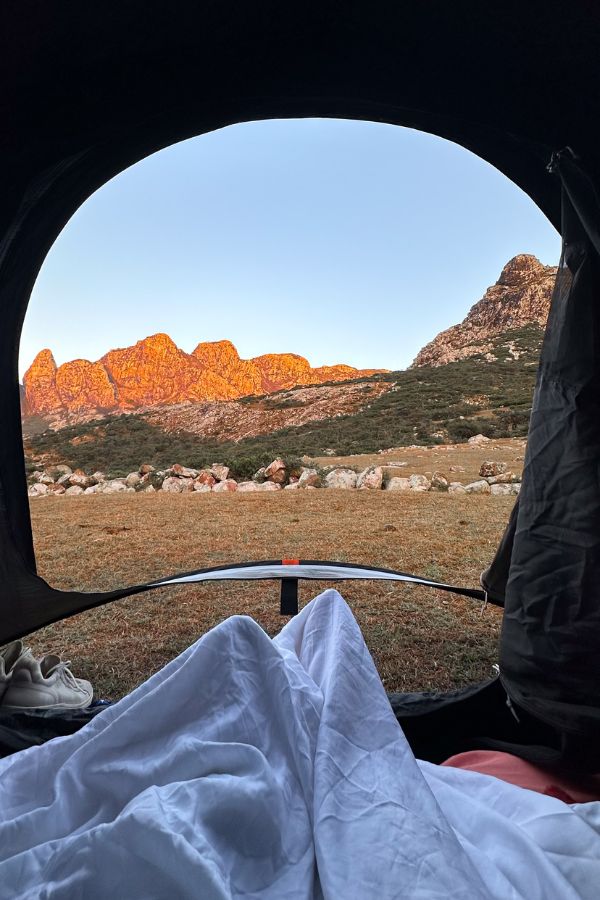
Don’t forget to bring some light, long trousers and long-sleeved shirts for the evening and morning, as it can get chilly in certain months. Check the weather before you go.
Something to be mindful of is that Socotra is a Muslim country, so we recommend respecting the local tradition and culture and wearing long sleeves and long trousers in villages and cities. When you’re exploring remote areas it is fine to wear shorts, t-shirts, or bikinis on the beach.
Packing essentials
- First aid kit – Paracetamol, Ibuprofen, Imodium, antibac gel or wipes, plasters, etc.
- Head torches are a must (cave walk and campsite at night)
- Few Power Banks – if you’re bringing your drone, camera, and phone with you, these are a must, as most of the time you won’t have electricity in the campsite
- A fast car charger with multiple ports – this is the only way to charge your power banks or equipment; you will spend a lot of time driving from place to place, so use that time to the max and charge everything you can.
- Good trainers or hiking shoes – we managed the 3-day hike in the Hajhir Mountains in our good trainers, so if you don’t have space for hiking boots, you’ll be fine. A roll or two of toilet paper is recommended (or biodegradable wet wipes)
- Biodegradable body wipes (for those days when there is no shower)
- Microfibre towel
- Reef safe and biodegradable SPF 50 sun screen – the sun is relentless on the island
- A hat and sunglasses
- Snack – if you have your favourite hiking and walking bars or nuts
Bonus – your mini Socotri dictionary
Whenever we travel abroad, we always try to learn a local language. Going to Socotr,a we thought Arabic was the main language so our basic knowledge (Thank you, Hello, How are you). Turns out there is another language used on the island – Socotri and it is completely different to Arabic.
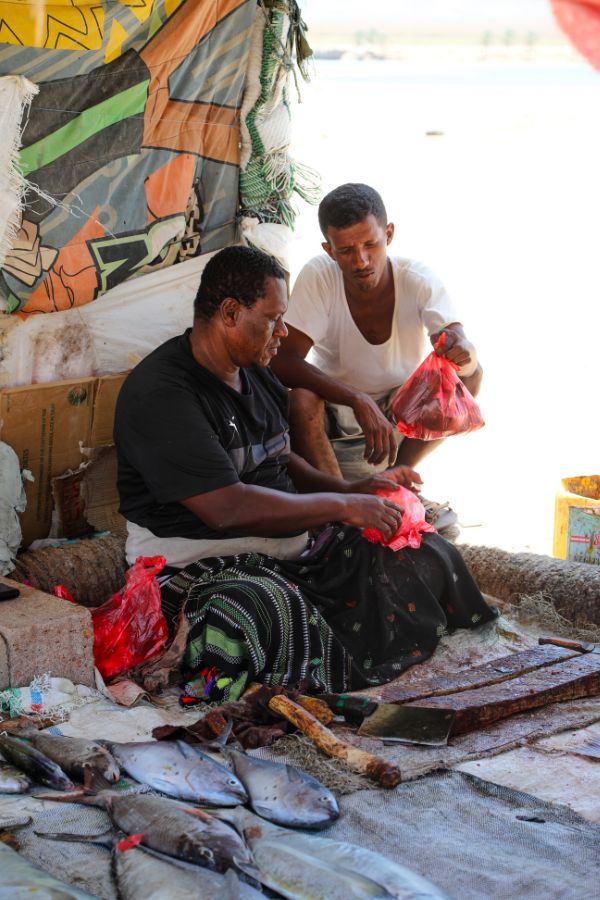
We compiled a mini dictionary for you if you would like a basic Socotri before your trip. We have to admit we used many of those phrases on a daily basis when we were on the island. The most common were ‘A-mort Thai-ebay’ and ‘Shh-kar (shhkay) bene’. Check below what they mean.
Mar-haba – Hello, also means you’re welcome
Kiff hah-lek (soft hah almost like a-lek) – How are you
El-eh-buk allah – Thank you (for men)
El-eh-bish allah – Thank you (for women)
El-eh-bukum allah – Thank you (plural)
A-mort Thai-ebay – Everything is good
Bak-hier (with a throaty huuuugh like flemgg) – Fine
Shh-kar (shhkay) bene – very beautiful, very good
She-ham – Hot
Ge-ham she ham – The sun is very hot
Rizak – tired
El-rizak – not tired
Killi-lay – a little
Summary

Socotra still is the most amazing and unique destination we’ve ever visited. We’re so happy we got a chance to hike in the mountains, enjoy the beautiful beaches and walk underneath the most unique trees in the world.
We hope that this article showed you that getting to Socotra is not as complicated as might seem at first.
You first need to choose a travel operator you want to explore the island with, and they will help you with booking the flight and arrange a visa. Make sure that you do a bit of research and choose a reputable and tried agency with good reviews.
The other factor that might affect your decision is the cost of the stay on the island. The prices vary significantly here from $1350 up to $4000! This depends on how ‘luxurious’ you want your trip to be. We put it in quotes as you will be camping and there are not many facilities, but certain agencies make it more of a ‘glamping’ experience whilst others offer just good old fasioned camping. We went with Socotra EcoTours and can’t recommend them enough.
Socotra is decinitely a once-in-a-lifetime destination and experience. It is one of the last unspoiled and authentic places on earth. Exploring the island, we felt like we were on a different planet, and each place amazed us with its unique and breathtaking scenery.

